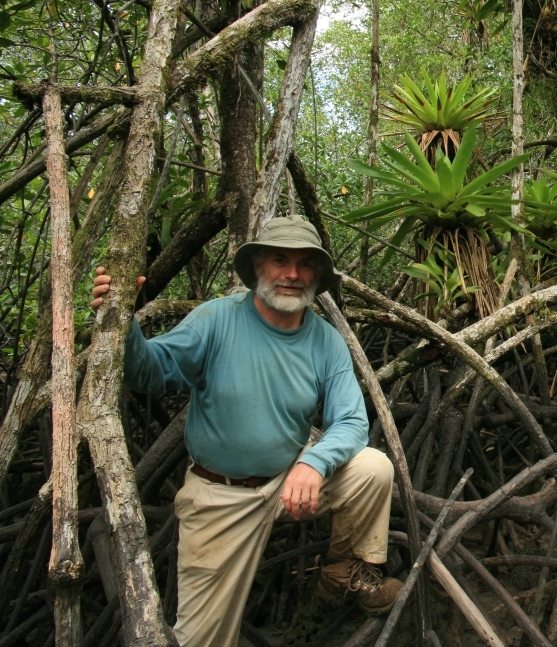

These blogs feature my writing and photographs from my experiences out in the Caledonian Forest and other natural ecosystems. Please subscribe to receive automatic notifications when new blog posts are added.
ECOLOGIST, NATURE PHOTOGRAPHER AND INSPIRATIONAL SPEAKER
FOUNDER OF THE AWARD-WINNING CHARITY TREES FOR LIFE
These blogs feature my writing and photographs from my experiences out in the Caledonian Forest and other natural ecosystems. Please subscribe to receive automatic notifications when new blog posts are added.

Each year, in the middle of October I like to spend as much time as possible out in the Caledonian Forest, to appreciate the beauty of the trees in the richness of their autumn colours, and to indulge my passion for photographing them at this most special season. This year I was out in Glen Affric for a day, and although there was lots of colour in both the birch trees (Betula pendula and Betula pubescens) and the bracken (Pteridium aquilinum), my attention was taken up for part of the day by something else – the bark of a large Scots pine (Pinus sylvestris).
[Read more…] about The natural artwork of Scots pine bark
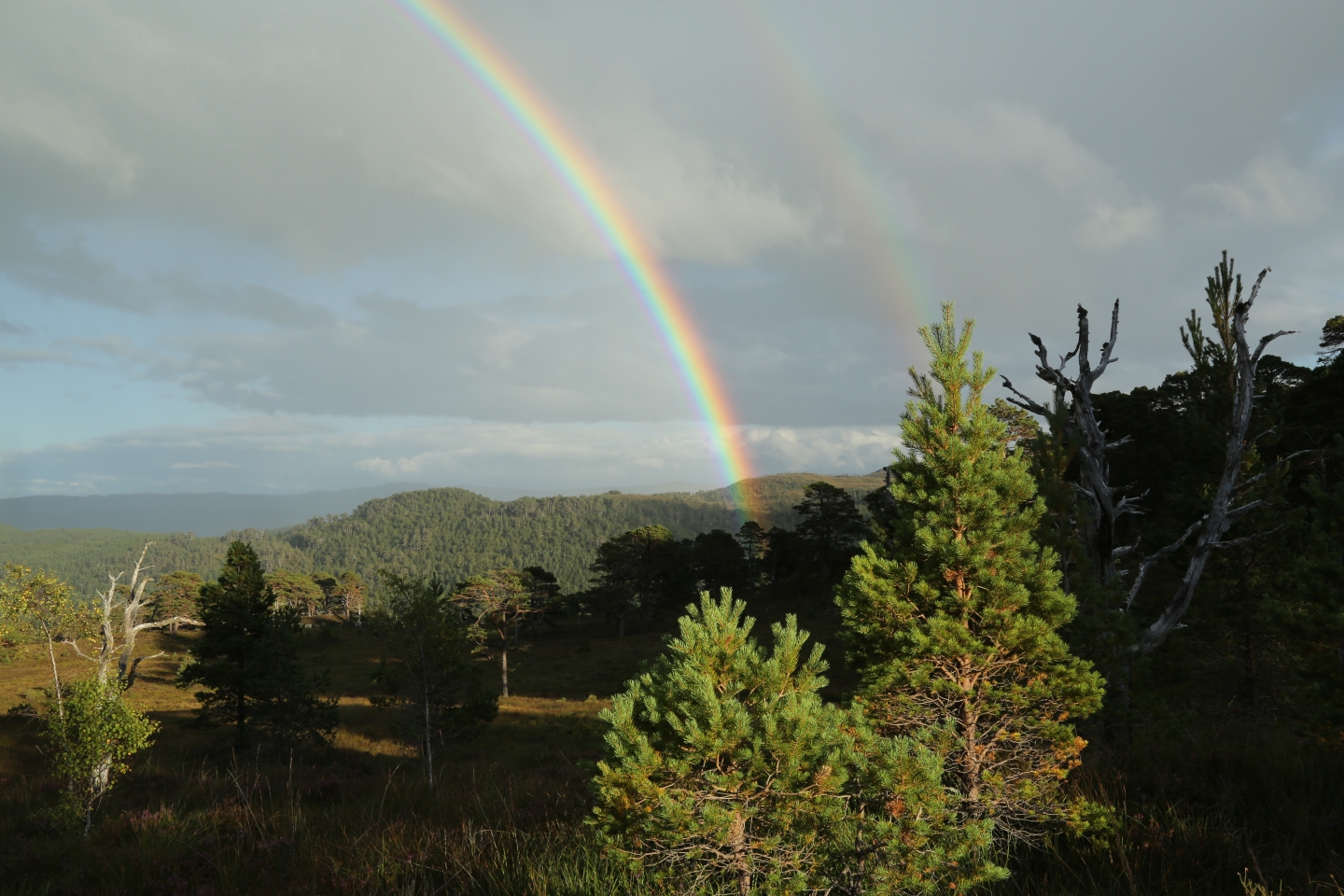
On September 14th this year it was the 25th anniversary of the completion of the first major project for Trees for Life – the protection of the 50 hectare fenced exclosure at Coille Ruigh na Cuileige in Glen Affric. A quarter of a century after the then well-known botanist David Bellamy closed the gate on the exclosure, making it a deer-free zone in an event that gained us considerable media publicity at the time, I went out to the site to see the results that have been achieved since then. [Read more…] about 25 years of regeneration at Coille Ruigh na Cuileige

One day in August 2007, before we had completed the purchase of Dundreggan, I was out walking on the estate with Colin Blyth, a forestry consultant whom we’ve worked with for many years, utilising his skills and experience to complement and support our work. That particular day, we had climbed to the top of Binnilidh Bheag, the small hill that overlooks the buildings on Dundreggan, to enjoy the view over the southern half of the estate. Looking from the top I was delighted to spot a small Scots pine seedling (Pinus sylvestris) amongst the flowering heather (Calluna vulgaris) on the steep slope not far below me. [Read more…] about A small miracle on Dundreggan
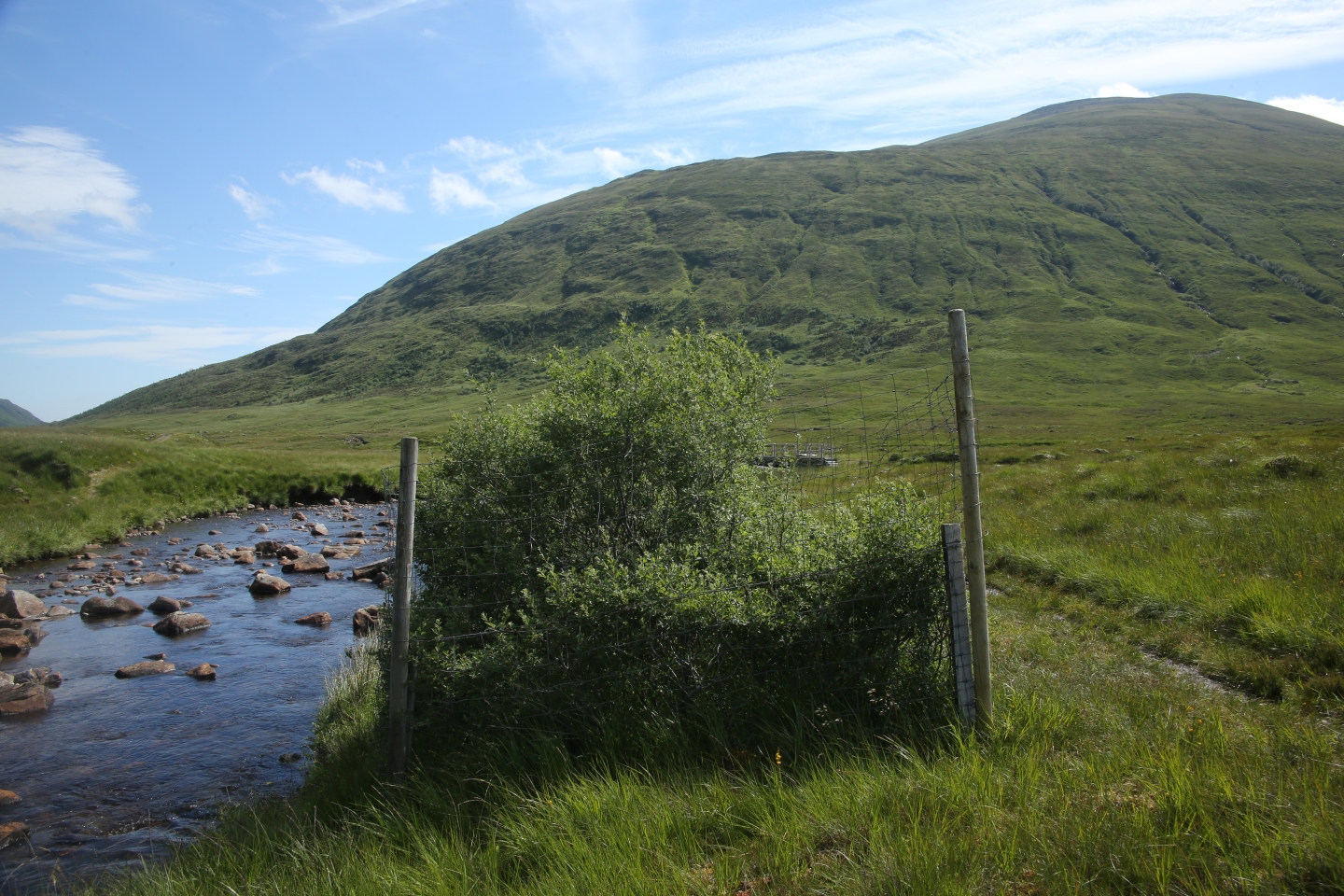
On the morning of the last of the three days I spent on the West Affric Estate in August, I took a different route to my four colleagues. They were crossing the Affric River to look at a new planting site on land managed by Forestry Commission Scotland, which is planned to extend the native woodland southwards, along the east side of the Allt a’ Chomhlain watercourse. While they did that, I took the opportunity to go west from the Alltbeithe Youth Hostel, where we were staying, to look at a couple of small areas on West Affric that I’ve been photographing for many years. [Read more…] about An oasis of life in a depleted landscape

In August four colleagues and I spent three days on the West Affric Estate, a 10,000 acre area of land that encompasses the headwaters of the Affric River, and is owned by the National Trust for Scotland (NTS). We were there to look at some of the areas that we worked with NTS on between 1993 and 2000, when ten deer-fenced exclosures were erected, to kick-start the process of forest recovery on the estate. Some of those were for natural regeneration, protecting the few isolated clumps of trees that had survived there (mostly in remote gullies), while others were for areas of bare ground on the slopes of the hills, where our volunteers planted native trees. [Read more…] about The devastating damage that deer can do, part 2

In May 2004, during a visit to the National Trust for Scotland’s (NTS’s) West Affric Estate, which encompasses the headwaters of the Affric River watershed, I had a remarkable and memorable experience. While checking up on some small-scale stock fenced exclosures that our volunteers had erected around some tiny overgrazed eared willow (Salix aurita) seedlings beside the Affric River in 1997, I found several bluebell plants (Hyacinthoides non-scripta) in full bloom in one of them. [Read more…] about The devastating damage that deer can do, part 1

Over the years I’ve visited many of the old native pinewoods that are remnants of the original Caledonian Forest, which formerly covered much of the Highlands. However, I’d never been to the most westerly of those pinewood areas, at Shieldaig in Wester Ross, so at the beginning of August I decided to rectify this omission. Earlier in the summer, when I’d been visiting the nearby Ben Damph Estate, I’d come as far as the village of Shieldaig, but hadn’t made it to the pinewood itself then. [Read more…] about A visit to Scotland’s most westerly pinewood

In 2012, during a survey he did for us of aphids on Dundreggan, Ed Baker discovered a species that had never been recorded in Britain before. This turned out to be the giant juniper aphid (Cinara smolandiae), which up until then had only been found in Sweden, Finland and north-west Russia. Restricted to juniper bushes (Juniperus communis), it is one of 10 species that have been found at Dundreggan that are not known from other sites in the UK, and which have led to our estate being described as a ‘lost world’ for biodiversity. [Read more…] about Rediscovery of a rare species at Dundreggan

In late May, we organised a trip for seven Trees for Life staff, plus eight other people from Scottish conservation organisations (including one of our board members) to southwest Norway. We flew over to Stavanger and were met there by Duncan Halley, a Scotsman who has lived in Norway for about 20 years, working for NINA, the Norwegian Institute for Nature Research, and who had very generously offered to be our guide for the week we’d be there.
[Read more…] about Study tour to Norway: Part 1 – Fidjadalen
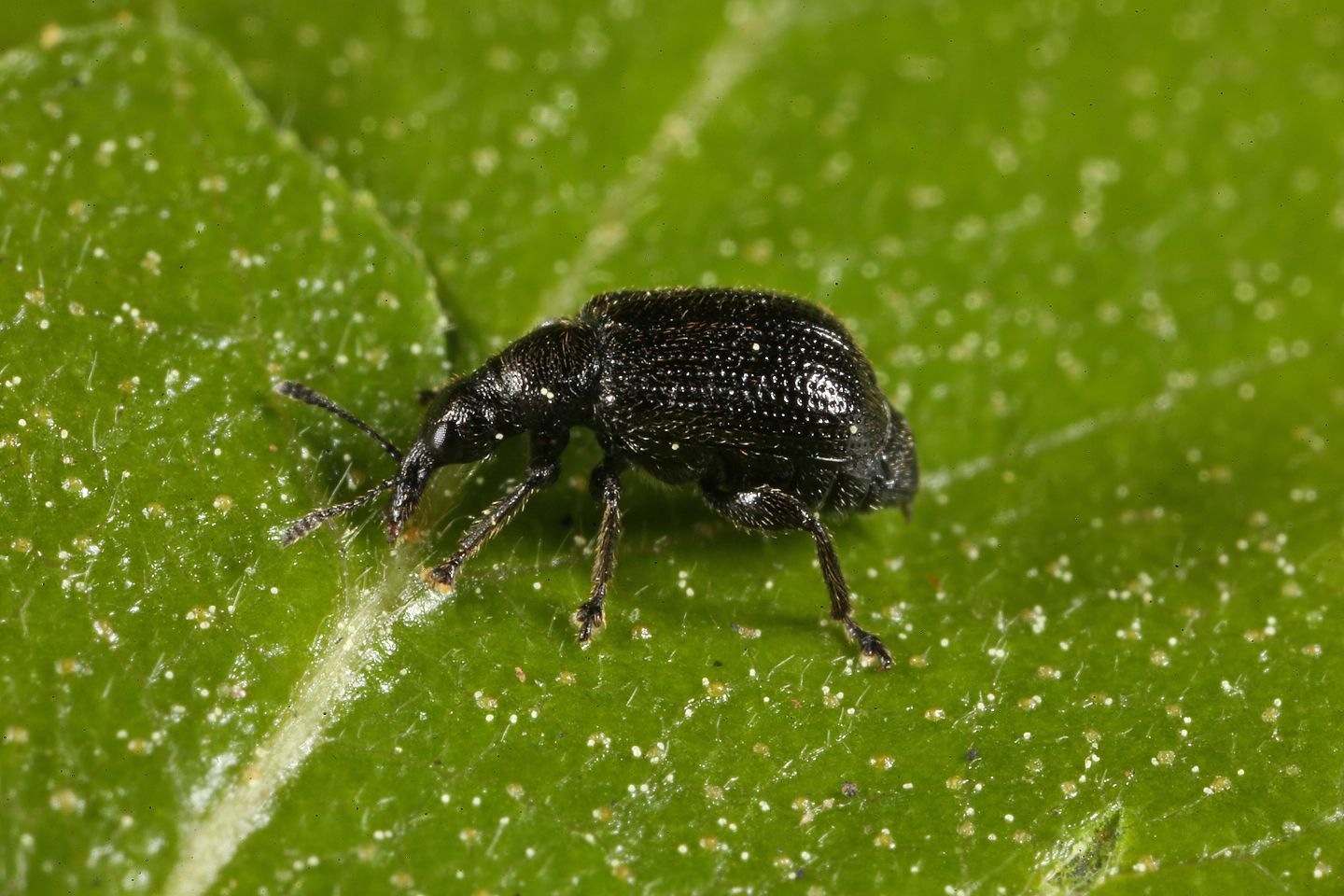
On 28th June I spent the day in Glen Affric, mainly photographing insects in the vicinity of Badger Falls and Dog Falls. There’s a good range of tree species there, including oak (Quercus petraea), hazel (Corylus avellana) and aspen (Populus tremula), as well as the more common trees such as Scots pine (Pinus sylvestris), downy birch (Betula pubescens) and rowan (Sorbus aucuparia), and in the summer it’s one of the best places in the glen to encounter a diverse range of insects that live on trees. [Read more…] about A remarkably creative weevil