

At the moment we’re in the middle of National Insect Week, a biennial series of events organised by the Royal Entomological Society to encourage people of all ages to learn more about insects. As someone who has a special interest in insects (as well as many other organisms in Nature, from trees and birds to fungi and slime moulds) it’s a good opportunity for me to promote some of the creatures I’m passionate about – ‘the little things that run the world’, to quote the title of a famous paper by the eminent Harvard University biologist, Edward O. Wilson.
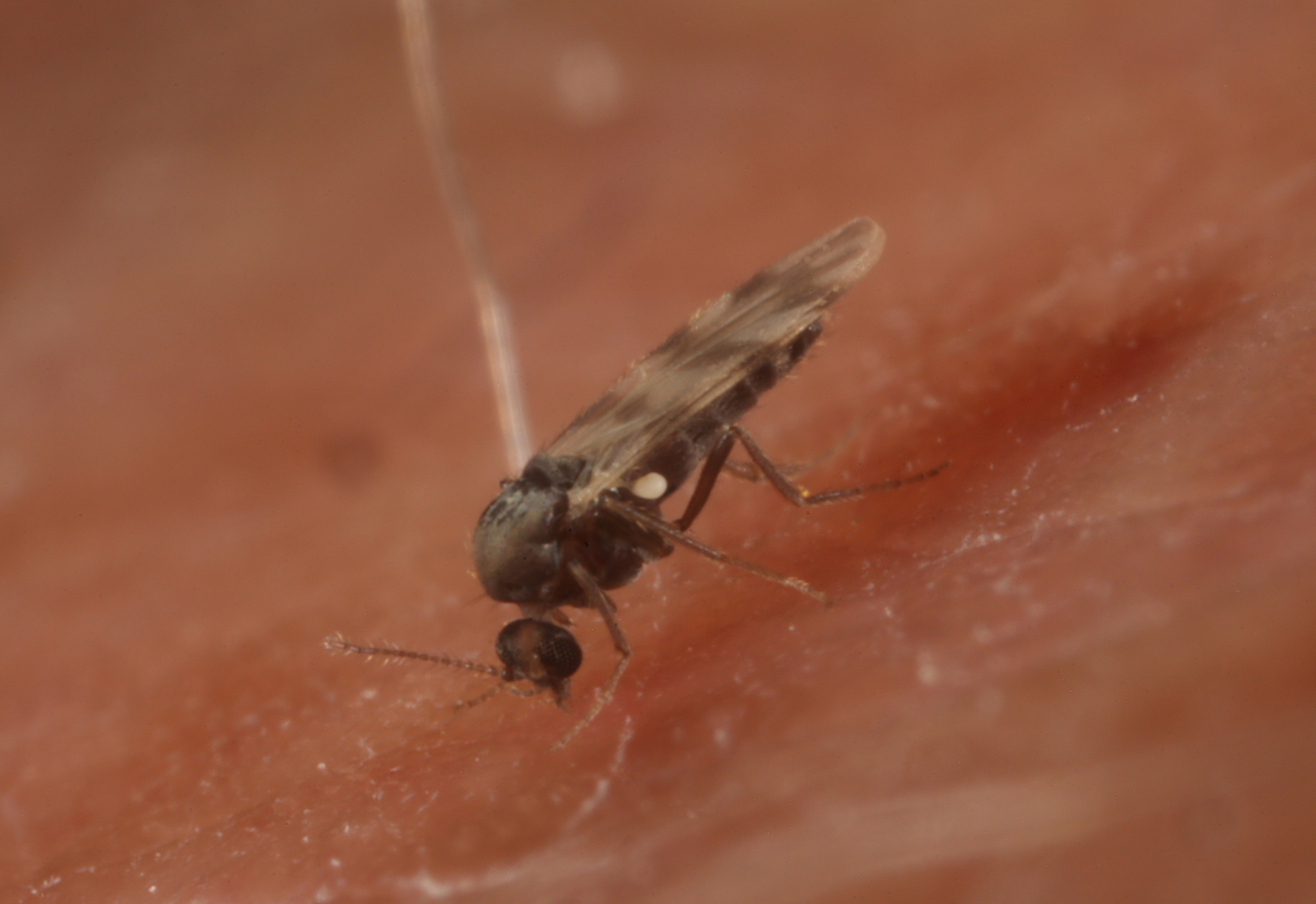
Yesterday I had an unexpected and rather surprising chance to do exactly that. The football World Cup is being played in Russia at the moment, and in the build-up to the first match of the England team in Volgograd on Monday, a large outbreak of midges had caused havoc in the area, with television interviews being cancelled on the Sunday evening and players bothered by midges during the game itself. This attracted the attention of the international media, and yesterday I was asked to take part in an interview on the talkRadio national radio station, as a supposed ‘expert’ on midges!
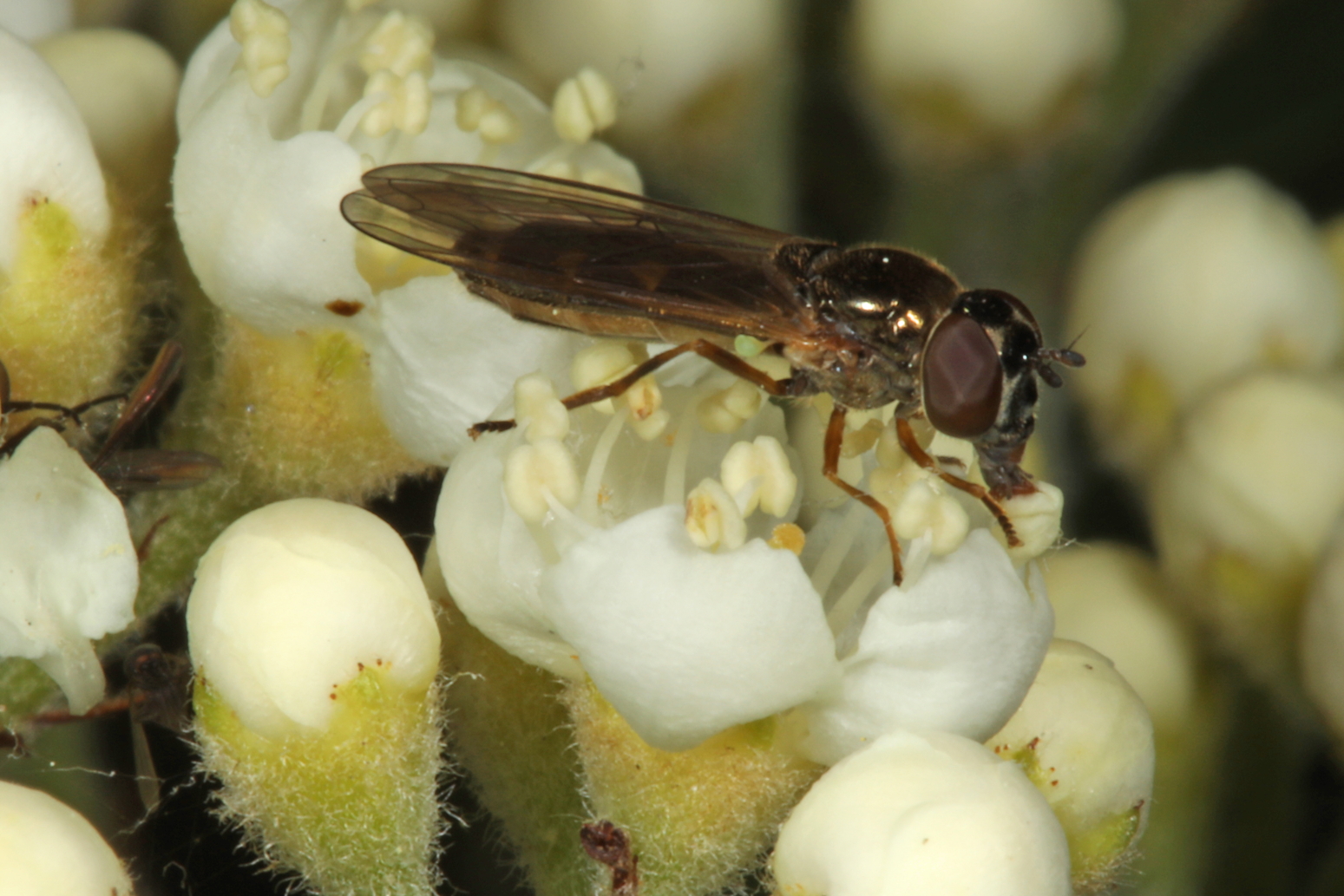
The invitation came as a result of some media coverage from January 2017, about the discovery of a non-biting midge (Chironomus vallenduuki) at Trees for Life’s Dundreggan Conservation Estate in Glenmoriston, which had never been recorded in the UK before. This was reported widely in the UK press, and it was as a result of reading an online article about it in The Scottish Sun that talkRadio contacted me yesterday. During the interview, the presenter mentioned National Insect Week, and asked me what was special about insects, and why they needed to be promoted by such an event. I responded by saying that insects are crucial elements of most terrestrial ecosystems, and also provide essential functions that benefit humanity, such as the pollination of food crops by bees and hoverflies.
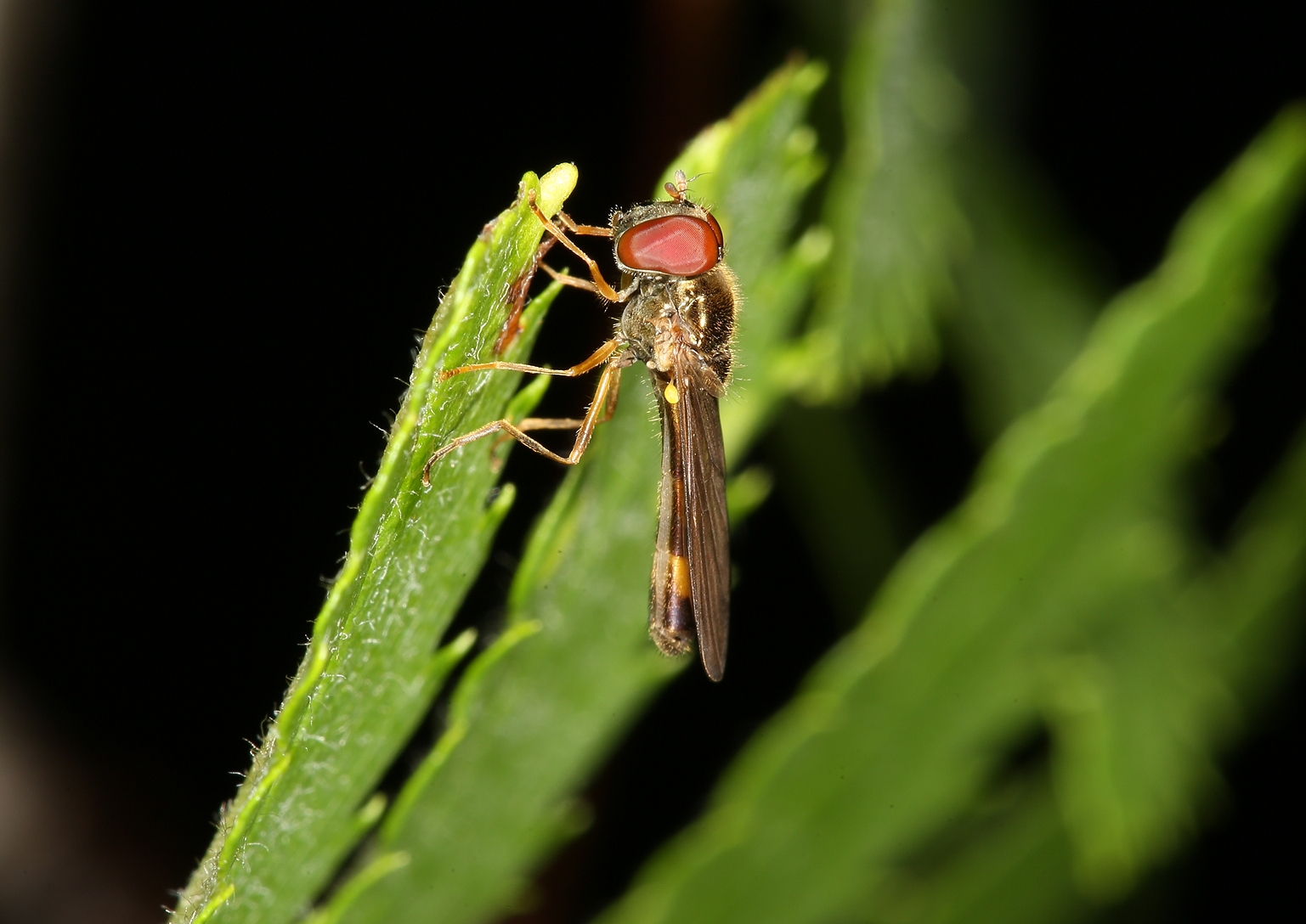
I went on to say that even insects that many people have negative associations with, for example aphids (which generally are only thought of as being garden or greenhouse pests), are vital parts of the web of life. I explained that aphids suck the sap of plants and trees, excreting as they do so a waste product called honeydew that is a food source for many insect pollinators such as hoverflies and bees. For our food production to be most effective therefore, we need not only those insects which carry out the act of pollination, but also those others such as aphids that provide some of the food sources for them.
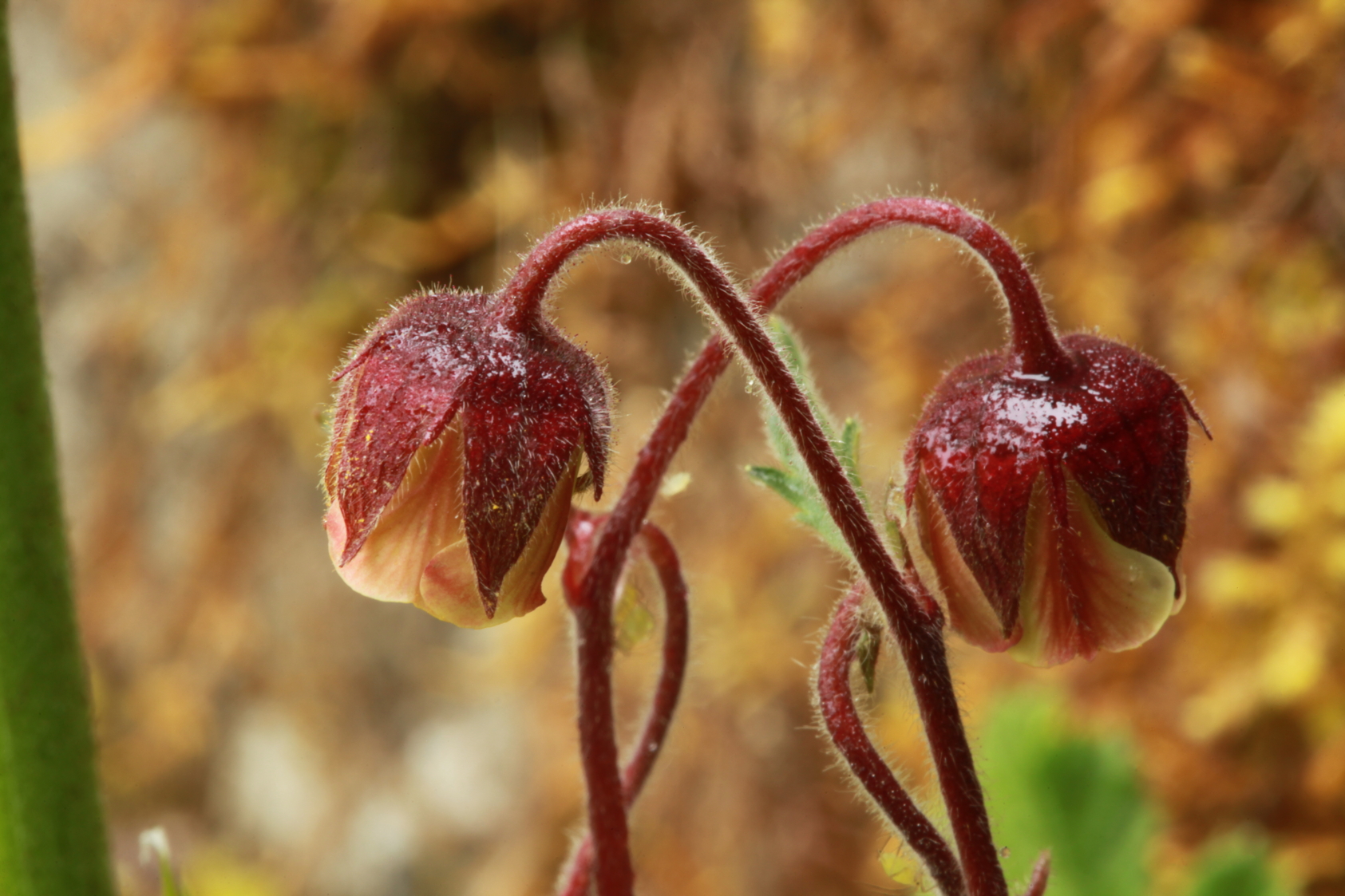
I took some time to get this message across during the interview, and it was especially relevant for me this week, as I had found an interesting aphid when I was out in Glen Affric last Friday, 15th June. I was walking along the public road just at Dog Falls when I noticed a patch of water avens plants (Geum rivale) growing there. This is a relatively uncommon species in the Caledonian Forest that tends to grow in areas of damp ground, and has characteristically drooping dark red flowers.
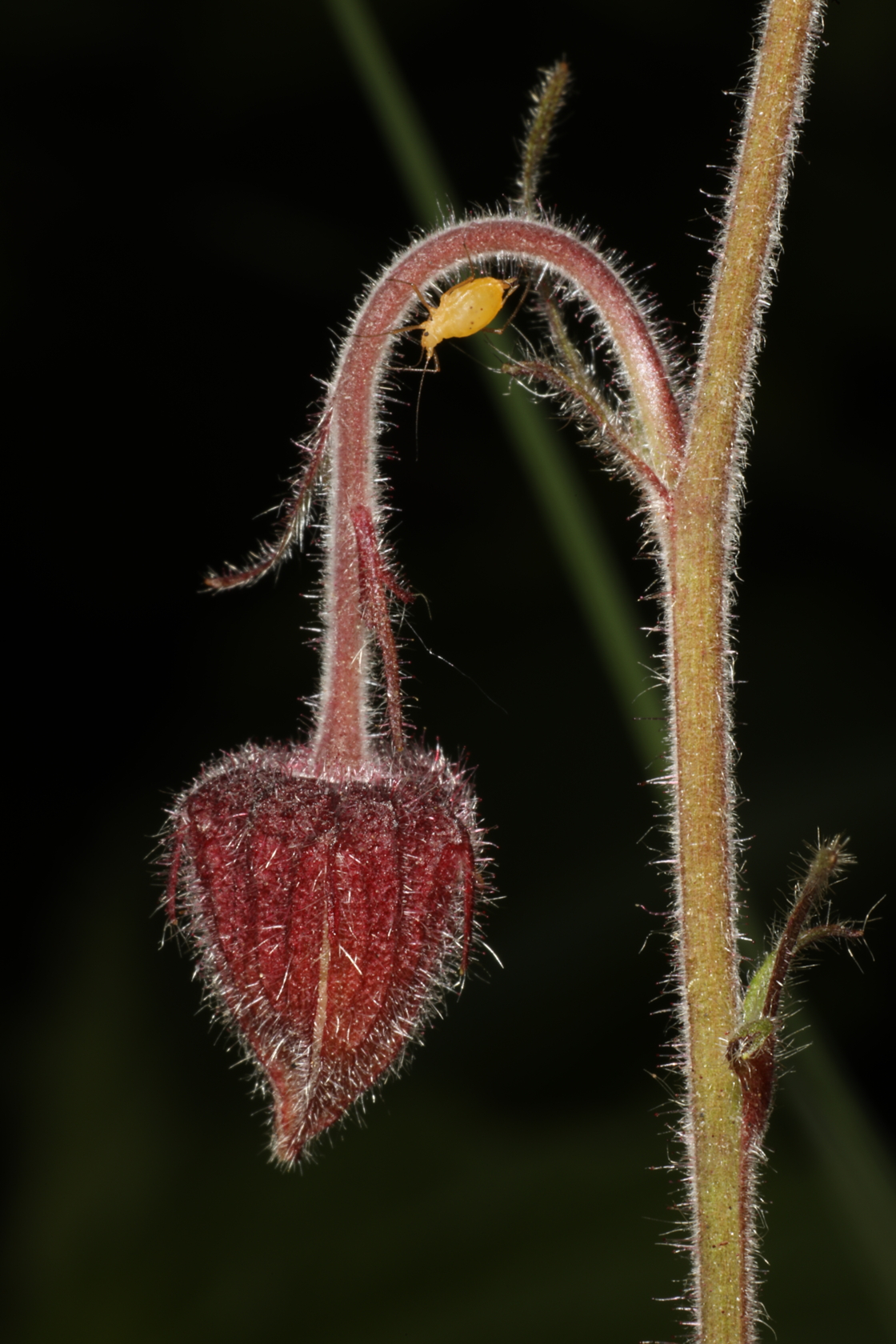
I stopped to have a closer look at them, and as I did so the question spontaneously entered my mind, does water avens have any aphids associated with it? I didn’t know the answer, but I began to examine the flower heads carefully and after a minute or two I spotted a yellowish-orange shape on one that looked like it could be an aphid. Using my hand lens I was able to confirm that it was indeed an aphid, and what’s more it was noticeably different in colour to the aphids I know from other plants in areas such as Glen Affric , so I began to get excited about what I’d found. There were quite a few water avens plants growing together, so I began examining them all very closely and soon discovered a number of the aphids on two or three different plants. This strengthened my thought that these were an aphid species specifically associated with water avens – if there’d just been one or two aphids, they could just have been ‘vagrants’ that had got blown off their original host plant and on to the water avens instead.

I spent several minutes watching the aphids, as a number of them were actively moving around on the plants, instead of being sedentary in one place and sucking the plants’ sap. I took various different photographs of them, hoping that they would be useful in helping to get the species identified by an expert. I also collected three specimens of the aphids (a small proportion of the numbers I’d seen on the plants), to send them off for identification purposes.

The next day, I did a search on the Internet, but couldn’t find much information, and no photos at all, of aphids that feed on water avens. As a result, I began to wonder again if these weren’t perhaps just vagrants, that had fallen off their original host plant and somehow ended up on the water avens. However, when I emailed the photos to Bob Dransfield, an aphid expert who helps me with their identification, he responded quickly, saying they were a species called Amphorophora gei, that is specifically associated with water avens, and which sometimes has a distinctive yellow colour like this. He added that he had not personally come across these aphids, but they had been easy to identify because of their characteristically swollen siphunculi – the twin protuberances near the end of an aphid’s abdomen.
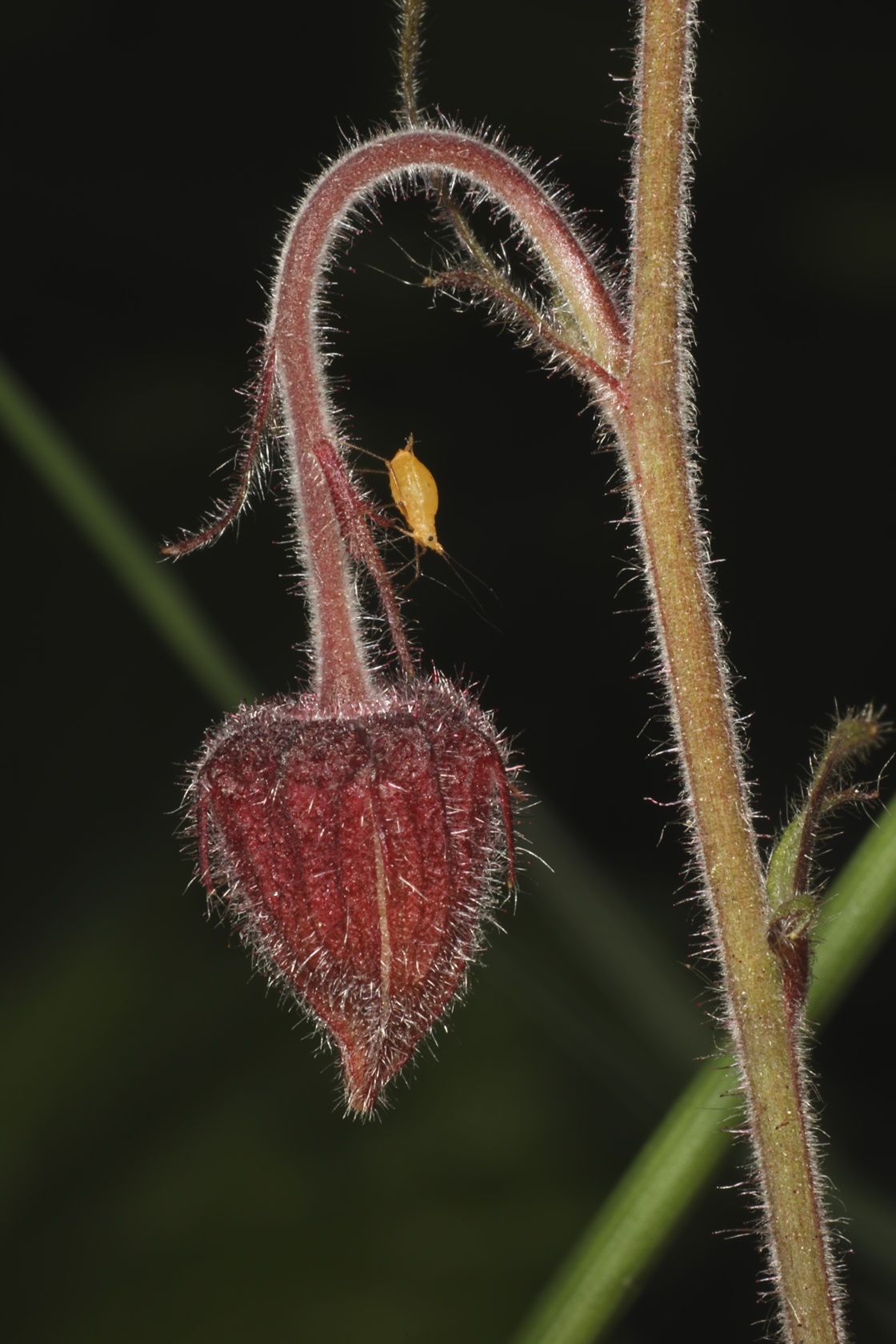
Knowing the scientific name for the aphids, I then did another search for the species on the Internet, including checking the NBN Atlas (the National Biodiversity Network Atlas), which hosts records of the UK’s biological diversity. Searching there for Amphorophora gei produced no records, but Bob did assure me the species has been recorded in both England and Scotland before. He said that the NBN Atlas is generally poor in terms of aphid records, and this is perhaps a reflection of the fact that not many people are studying and recording the presence of aphids in the country. As readers of my blogs know, I have a long-standing interest in, and fascination with, aphids, so I was very pleased to find what is certainly a little-known species in the UK. I suspect that it has never been recorded in Glen Affric before at all, so it’s satisfying to know that I’ve made a personal contribution to National Insect Week with this discovery.
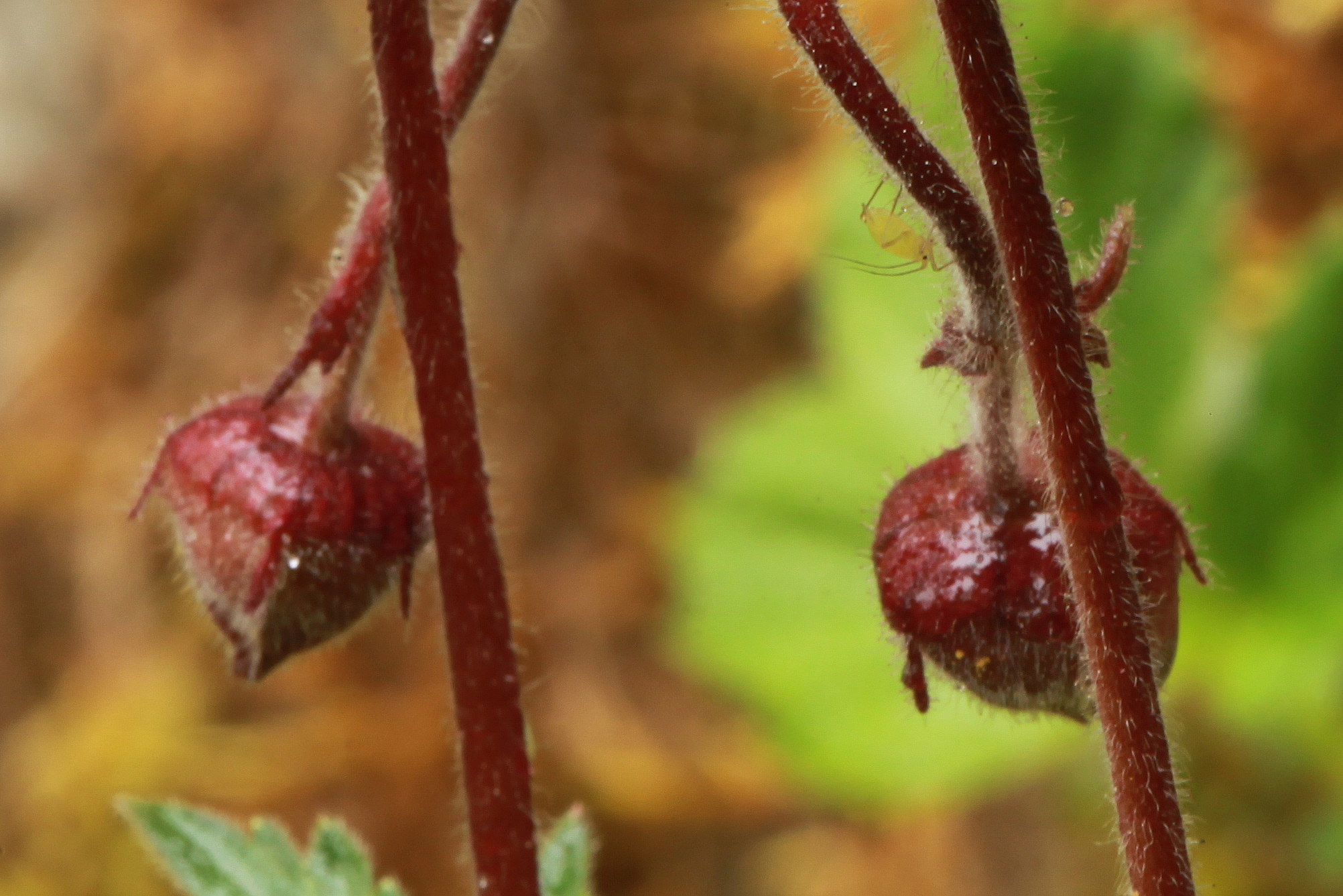
Interestingly enough, as part of the preparation for this blog, I went back through some of my previous photographs of water avens that I’ve taken in Glen Affric over the years and found one image from May 2011 that had an insect on the stem of one of the plants. By enlarging the photograph and cropping in on the relevant part, I saw that it was an aphid there in the image, which I had not noticed at the time. Looking closely at it now, it appears to me to be the same species of aphid, Amphorophora gei. The water avens plant in that image was located in the same area as these ones where I’ve found the aphids this year, so this indicates that the species has probably been present there all along, un-noticed until I found them last week!
Another great blog, Alan — Your blog has helped me not just look at the ‘big’ picture in Nature but focus more on the details — The biodiversity that surrounds us is simply amazing. I suppose it is only natural that we often relate to species by how they impact us but I am never quite comfortable when, for instance, I hear people referring to ‘weeds’ — I don’t believe Nature creates weeds; everything has its place and function in the greater system. Thanks again for sharing your experiences with us.
Hi John,
Thanks for your comment, and for your appreciation of this blog. You’re spot on when you say that everything in Nature has a place and a function – there is no such thing as a ‘bad’ species.
With best wishes,
Alan