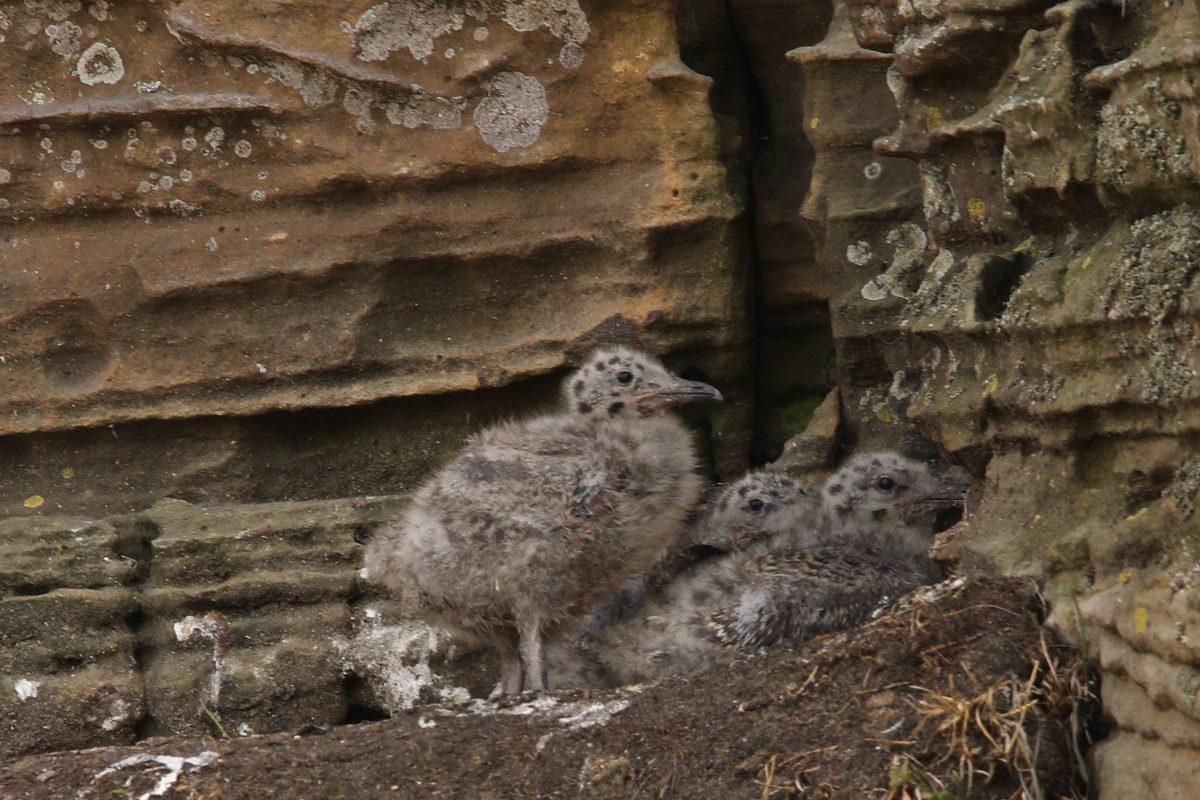
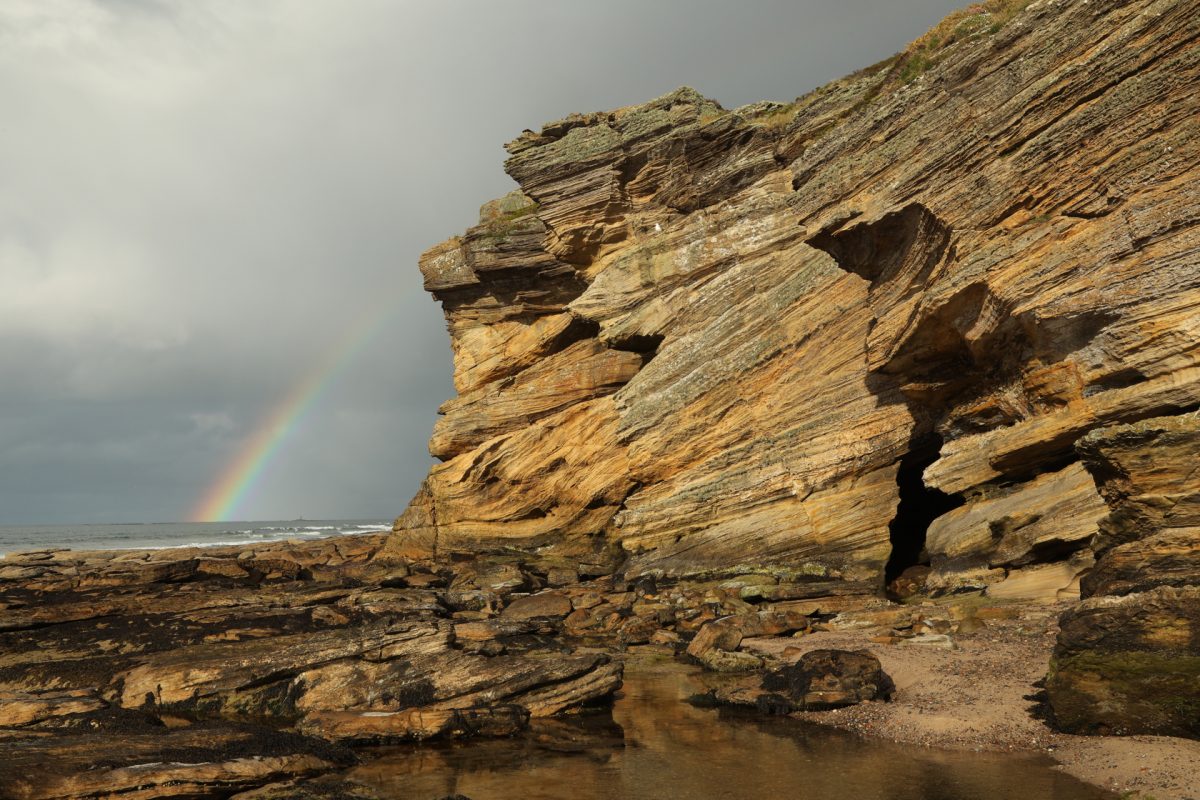
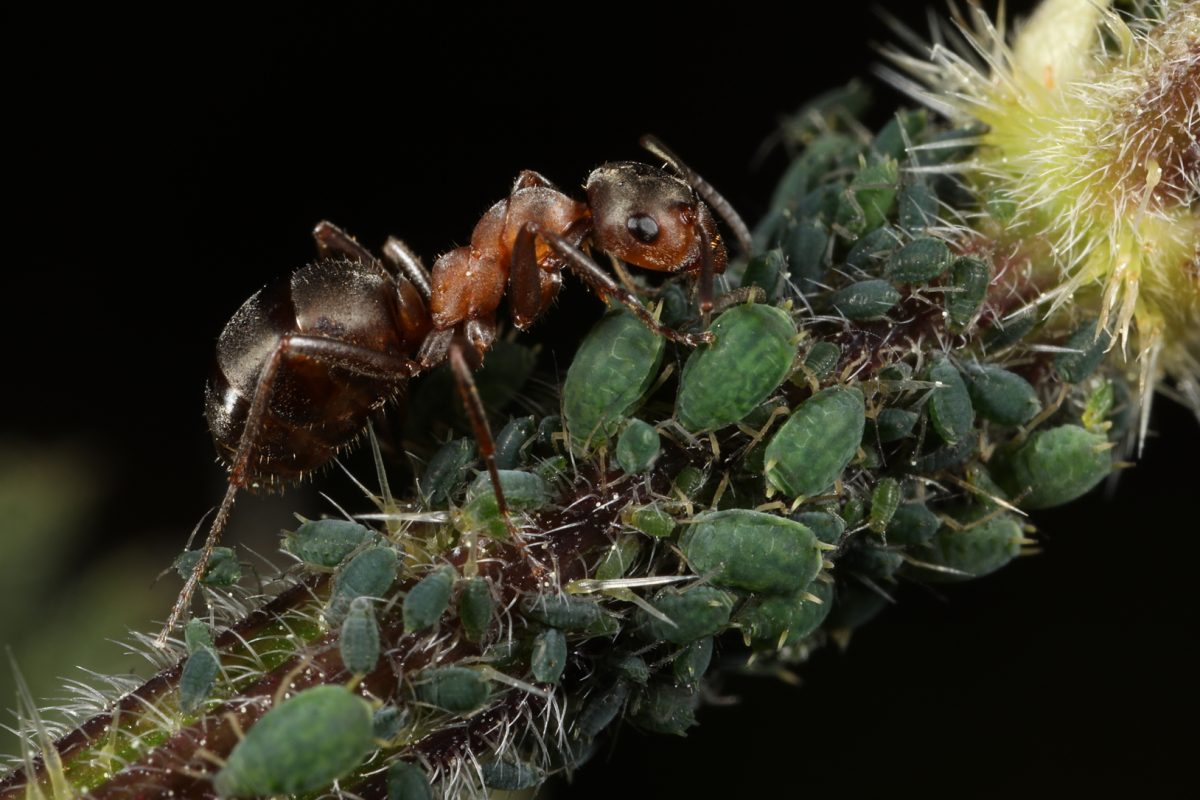
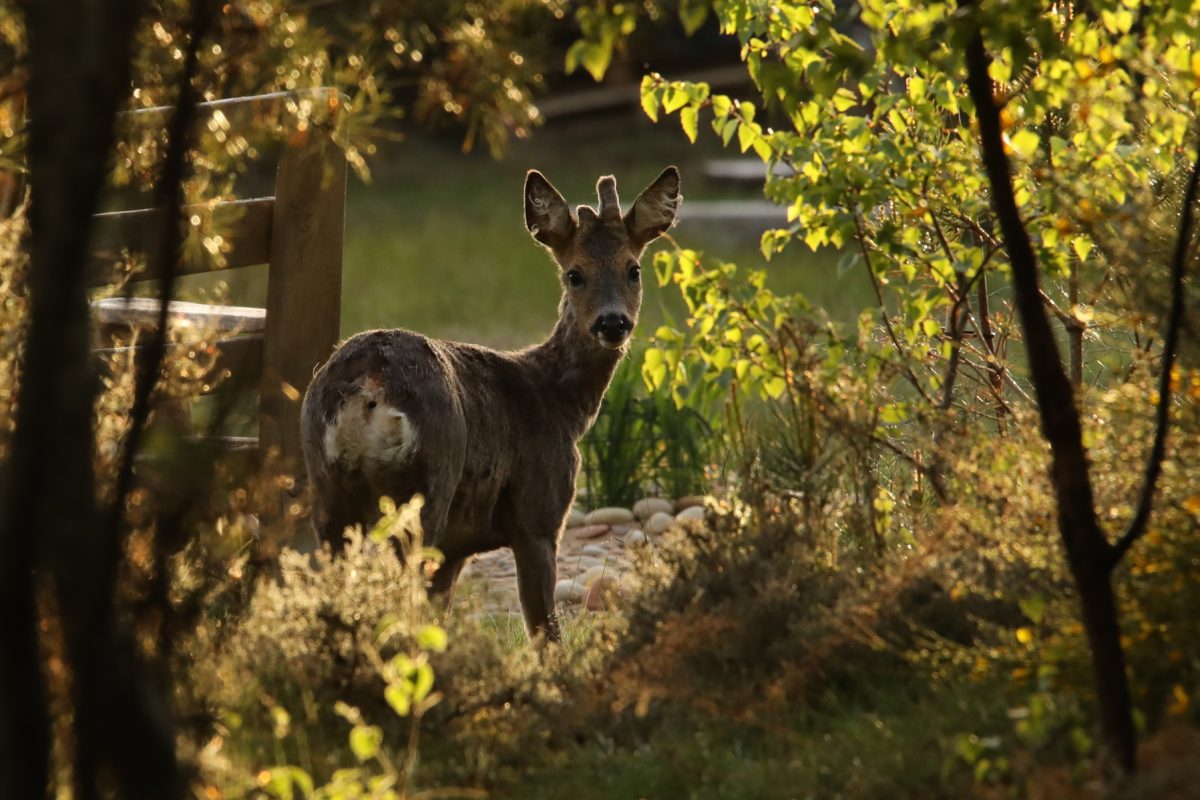
For just over two years now I’ve been a trustee of the Findhorn Hinterland Trust, a local charity that manages about 35 hectares of land surrounding the Findhorn Community, where I live. The site includes sand dunes and dune heath rich in lichens, dune scrub consisting mostly of gorse, species-rich grassland and an old pine plantation that is gradually being restored to native woodland.
[Read more…] about Life on a spear thistleSearch Results for: fungi
Biodiversity of the Findhorn Hinterland area in Moray, Scotland
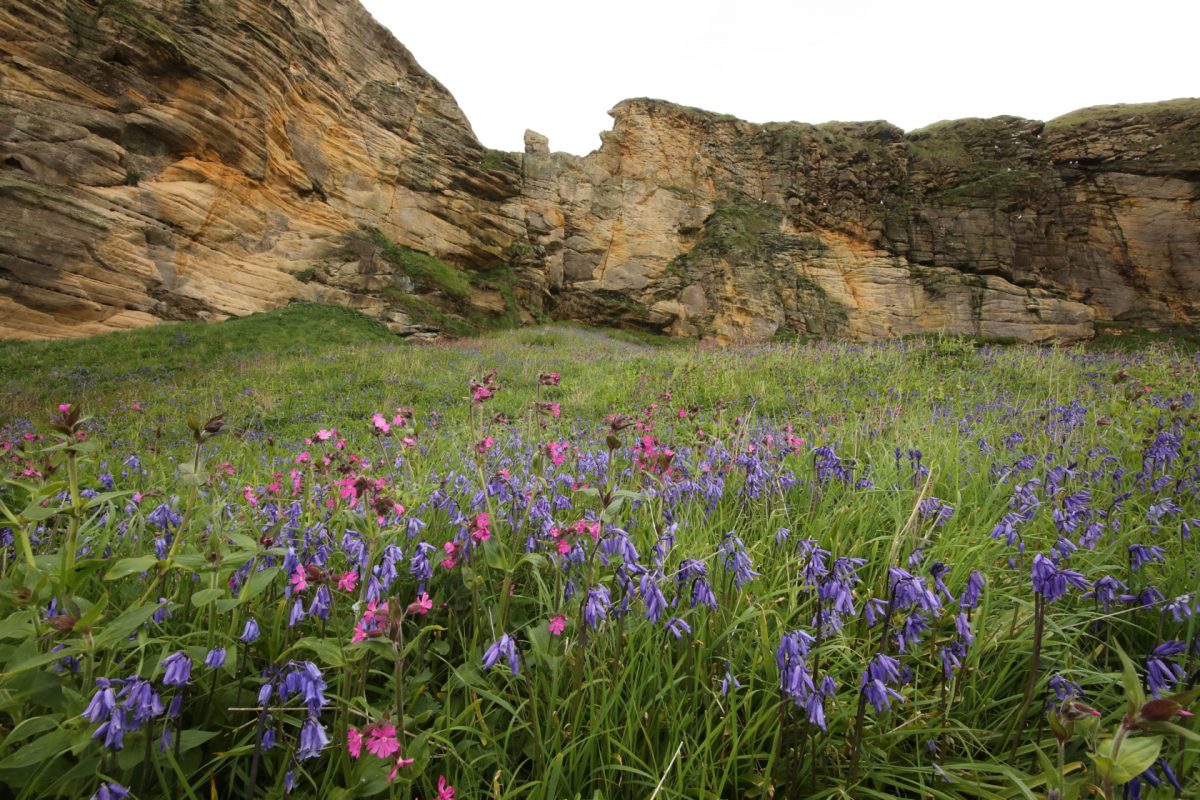
The Findhorn Hinterland is an ecologically-rich area of sand dunes, lichen heaths, woodland and other natural habitats on the Findhorn peninsula on the Moray Firth coast in northeast Scotland. It is nationally important for its diversity of lichen species, with over 180 recorded there, including some that are Nationally Rare and endangered, as well as a species of lichenicolous fungus that has not been recorded anywhere else in the UK.

The Findhorn Hinterland Trust is a small local charity that has management responsibility for a key part of this area, and in my role as one of the charity’s Trustees I have a particular interest in, and focus on, the remarkable biological diversity of the site. This presentation highlights some of the wide range of species that occur there, especially the smaller organisms that are often overlooked.

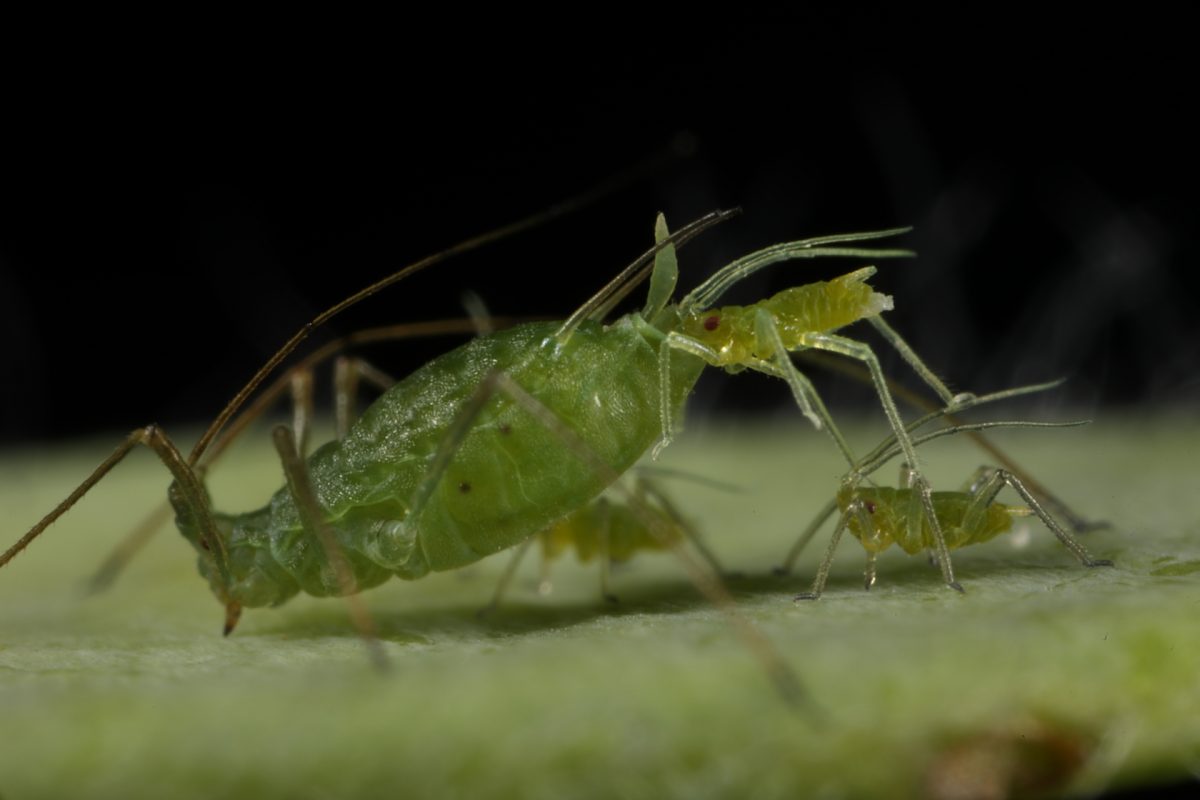
This inspiring and illuminating talk covers a large variety of different fungi, invertebrates of all sorts, from spiders and sawflies to aphids and ladybirds, and the interesting and unusual ecological relationships that link many of these organisms to each other, through processes such as the formation of galls, parasitism and predation.

Special attention is given to some of the rare and unusual lichens that are a key ecological feature of the area, with many photographs illustrating both the diversity of species and the spectacular miniature ‘forests’ that they form in the dune heath areas. This presentation provides a literal eye-opening experience of the very special ecosystems on this part of the Moray Firth coast, which are largely unknown to most people, and which are highly threatened in other coastal areas of Scotland.

If you would like me to give this talk to a group or at an event, please contact me.
Living like a Forest
Earlier in this century, the noted American forester-ecologist Aldo Leopold used the phrase ‘thinking like a mountain’ to describe how humanity needs to develop an ecocentric perspective to live in harmony with the Earth again. Until we can expand our awareness to include other lifeforms and the cycles of nature, instead of our short-sighted, species-selfish approach of exploitation and unlimited economic growth, until we learn to think like a mountain instead of merely in terms of our own economic gain, our efforts are doomed to failure, he predicted.
Nowhere is this failure more apparent than in the Highlands of Scotland, where centuries of human mismanagement and greed have reduced a once beautiful boreal forest ecosystem to a few isolated remnants of dying trees. The extensive Caledonian Forest, composed of trees twenty metres tall, has been reduced to a ‘wet desert’ of waterlogged grass a few centimetres high, and most of its major wildlife species have been exterminated. The empty glens and barren hillsides, so often thought of as the ‘natural’ condition of the Highlands, are in fact the ruins of a rich and bountiful landscape, and are matched by the ruins of the houses belonging to the people who used to live there, when there was a healthy ecosystem to support them.
I first became aware of all this in the late 1970s, when I returned to Scotland and began living in the Highlands, after several years of travelling and working in North and South America. During those journeys I had experienced true forests for the first time in my life. From the temperate rainforests of the Pacific Northwest of North America to the tropical rainforests of the upper Amazon in Ecuador and the southern beech forests of Chilean Patagonia, the undisturbed, natural ecosystems I visited had a profound effect on me, deepening my sense of wonder and reverence for nature. I was also inspired to take action, to make my care and concern for our planet, and especially for her forests, the central focus of my working life. But perhaps most importantly I began to cultivate and strengthen my inner connection with nature and trees.
Like many people, I have always had a strong connection with trees – I have fond memories of climbing in them, and of playing in my local forest as a child. Later on, as a student at university, I remember walking in the woods, and, when I was sad or emotionally upset, finding a quality of peace and healing from being amongst the trees. At the time I didn’t give those experiences much thought, but later, as my connection with nature developed, I came to know that trees, by their very nature, anchor and embody certain qualities in the places where they grow. During a lifespan which can be several centuries or more in length, a tree brings stability and continuity, strength and endurance, calmness and peace to its immediate surroundings. By sitting quietly and opening my senses to the forest around me, by beginning to think like a tree, I was able to connect with those qualities and take them into myself. I believe that all of us do this in some ways, but it has become much more powerful for me since I have been conscious of it.
Over the years my connection with trees, and the inner power and inspiration which that has stimulated, has led me in new directions in my life, one of which is the creation of this diary each year. Another began in 1985, when I was out in Glen Affric in one of the remnants of the ancient Caledonian Forest, and I felt called to restore the forest there. In many places I saw the last few trees growing on steep rock faces and in river gullies – the only place where they are safe from overgrazing by deer – and I realised that those trees were literally the last vestiges of the forest clinging on by its fingertips for survival. I felt that the trees, and the land itself, were crying out for help; crying out silently to anyone who could hear. It seemed as though the trees were calling out to me, as if they were saying ‘Come on Alan, you can see what’s happening here – do something for us’.
Acting on the inspiration I felt then, and working together with a group of committed people who are similarly touched by the plight of the trees and the possibility for their return in the Highlands, the Trees for Life Project has since become well-established and successful. However, just as when a seed germinates, most of the growth initially takes place underground as the young tree sends down its roots to find nourishment, so an idea, a vision, needs time to develop its roots before it can grow visibly into its actual potential. Thus, it took more than 4 years of preparation, after having the initial inspiration to regenerate the forest, until any practical results were achieved. In terms of our normal human business and deadlines, that’s a long time, but from the perspective of thinking like a forest, it’s been a period of rapid growth.
For me though, it’s not just a question of thinking like a forest, but living like one too. If I’m serious in my commitment to restoring the natural forest to a large area in the Highlands and eventually reintroducing the missing species of wildlife, I have to cultivate that inner knowing of how the forest itself would like to return, and then get on and play my part in making that happen. This begins for me with the recognition that the forest is a not just a group of trees growing in the same area, but that it is a living, biological community, an interdependent web of plants, animals, insects and birds, sustained by soil, sunlight, air and rain, and uniquely adapted to its geographical location and climate. Each part has an important role to play in the whole, in the forest, and each needs to be there for the overall health of the entire ecosystem.
This includes the so-called controversial species such as bears and wolves. In the Caledonian Forest, bears used to feast on the berries which carpet the forest floor (and hence helped to disperse their seeds) while wolves kept the red deer healthy and at reasonable population levels. Indeed, the beginning of the rise in deer numbers to their present levels (which is the main factor preventing the natural regeneration of the forest) coincides closely with the extinction of the wolf in Scotland in 1743.
From the forest’s point of view, bears and wolves are essential to its wellbeing, but when anyone talks about reintroducing those species to the Highlands the response is all too often one of disbelief or ridicule. Sadly, this shows how far-removed people are from thinking or living like a forest. It’s an example of the collective myopia which our culture suffers from – the limited perspective which sees things only from our short-sighted human economic point of view, in which wolves are seen seen solely as a threat to farmers’ sheep. It’s the same narrow outlook which led to the loss of the forests in the first place – the trees were only seen as timber, not as vital components of the boreal ecosystem. People then couldn’t see the forest for the trees, and as a result in most parts of Scotland we now see neither the forest nor the trees, as they’re all gone.
My work, therefore, and the practice of living like a forest, begins with re-envisioning the forest, seeing in my mind’s eye the trees growing again in the glens and reclothing the bare hillsides with their beautiful forms. Just as a tree, by the nature of its being, brings certain qualities to where it is growing, so I, when I’m in tune with nature, can seed the vision of the restored forest in the landscape, thereby preparing the way for the physical work to begin. The next step involves observing how forest regeneration occurs naturally, noting where the seedlings get established and grow, and then replicating that as closely as possible when we plant trees. It continues with re-establishing areas of trees, either by planting or by natural regeneration, in strategic locations so that when they reach reproductive age their seeds will disperse well onto open ground and the process of forest restoration can become self-sustaining. It also includes the reintroduction of the other components of the forest, not just the bears and wolves, but also the less spectacular but nonetheless essential species such as wood ants and the mycorrhizal fungi which symbiotically sustain the trees.
In all this, of course, I have to remember the time scale of the forest. I will never see the mature trees which will grow from the seedlings I’ve planted in the last few years, and nor will my children. However, I’m helping to set in motion the process of healing the earth in Glen Affric, and that will give untold benefits to future generations of birds, squirrels, berry plants, bears and humans. In a sense it’s an unconditional gift to the future, as I derive no gain from it myself, except for the satisfaction of having given the love of my heart and the joyful labours of my body to help nurture life, the most precious thing in the universe.
What is most exciting, though, is to see how many people are responding in a similar way to the crisis facing the world’s forests. The understanding of the importance of trees for all life has now, like a tree’s seeds, dispersed around the planet and found fertile ground in many places, as is seen through the proliferation of forest protection groups. Indeed, two of those organisations, one in the USA and the other in South Australia, have quite independently named themselves as Trees for Life. The connection between trees and life has become rooted in our collective awareness, and we can tap into this when we act upon the love for nature which I believe is within us all. As enough of us do that, and begin to embody the principles of living like a forest, then we can guarantee that there will be a life for trees.
Alan Watson Featherstone
(This article featured as the introductory essay in the 1994 edition of the Trees for Life Engagement Diary)
Return to the Writing page.
Restoring the Wild Forest
A few miles from where I live, the Findhorn River passes through a steep, rocky gorge at a place called Sluie. For a distance of 500 metres or so, the dark, peat-stained water flows between 50 metre-high cliffs in a course it has carved out of the surrounding landscape over eons of time. Over the years I’ve made many visits to Sluie, especially to a place where it’s possible to scramble down the steep slope to the water itself. There, on a bend in the river, is the closest to an experience of wilderness I know of in Scotland. Looking around, all that’s visible is the tumult of the water as it flows between the jumbled mass of boulders; the seemingly-random pattern of trees, growing wherever they’ve been able to find some soil; and beyond them the towering cliffs and the sky above. The spirit, beauty and power of wild nature is palpably present for me there. Amidst the landscape of Scotland which has been so altered by people, that one place at least still seems to be as it has been for millennia.
It was Henry David Thoreau who wrote: “ … in Wildness is the preservation of the World.” He recognised that wilderness is essential for the continued existence and evolution of the biosphere, and as a home for the millions of species of plants, animals, insects and micro-organisms which share this planet with us. However, there is another important function which wilderness serves — as a place where humans can connect with the primordial power of nature, the raw pulse of the life-force of the universe.
I go to Sluie for my own personal, local experience of this — to refresh and nourish myself, and to re-experience my connection with all life. In recent years I’ve also spent several weeks annually in the tropical rainforests, and there, too, it’s the experience of wildness which is meaningful for me. I’ve walked in awe amongst the bromeliad-covered buttresses of giant trees, I’ve waded chest deep in water through the tangled, stilt roots of mangrove forests and I’ve discovered the beauty of a rainforest canopy garden growing on the 40 metre-high branches of an emergent tree. The profuse and diverse beauty of exuberant life in wild forests such as these makes my heart sing, and provides the inspiration for much of my work. It is there that I feel myself most fully alive.
I consider myself privileged to visit those wild places, because in our world today few people are able to do so. This is especially true in a country like Scotland, where the landscape has been shaped by humans for centuries, and all the wildness, except for tiny places such as Sluie, has long since been tamed and domesticated. The majority of people, in Scotland and throughout the western world, now live in cities, and although urban parks offer a welcome sanctuary of green amongst the concrete and tarmac, they are no substitute for a wild forest.
However, it is from amidst the sterility and uniformity of our human-created urban environment that people are rediscovering the need for a wilderness experience as a source of richness and nourishment in their lives. In recent years there has been a veritable proliferation of companies offering trips to wild places such as East Africa and the Amazon Basin, as a casual glance through the advertisement pages of any conservation magazine will show. Increasing numbers of visitors are being drawn to those wild places, where Nature has free expression, outside of human control. However, this is happening simultaneously with the rapid loss of wilderness on every continent. The expansionist drive in human culture is leading us to claim more and more of the Earth’s surface for our own ends, with little thought for the other species and ecosystems whose places we are usurping in the process.
What hope is there, then, for the future of wilderness on our planet? With acid rain and depletion of the ozone layer now worldwide phenomena, and where even the most isolated island beaches have plastic rubbish washed up on them, it is debatable whether there are any truly untouched wild places left on Earth. However, if we step back from an absolute, purist position, and adopt a definition of wilderness such as that in the US Wilderness Act, which characterises land as wilderness if it “generally appears to have been affected primarily by the forces of nature, with the imprint of man’s work substantially unnoticeable.”, then there is still much we can save. Indeed, most current conservation campaigns are focussed on protecting the best of the wild areas which remain in the world, and the next decade or so represents the last chance to save them. Those of us alive today will decide their fate.
Beyond that, however, we need to take steps to actively restore wilderness to areas which have already been degraded and impoverished. This is what I and my colleagues are seeking to do with the Trees for Life project to regenerate the Caledonian Forest in the Highlands of Scotland. Utilising the techniques of ecological restoration, we aim to return an area of over 1,500 sq. km. to a wild forest condition, where the forces of nature have free rein once more. Our primary motivation in doing this is to provide a habitat for the whole range of species which formerly lived in Scotland, and which make up the living, biological community of the forest.
Thus, we are concerned not only with the Scots pines which are characteristic of the Caledonian Forest, but also with the fungi which live in mutualistic symbiosis with the trees, with the wood ants which protect the trees from defoliating caterpillars, and with the top predators such as the wolf and brown bear, which are essential to maintain the overall balance of the complex food web that comprises the forest ecosystem. Only with the full spectrum of species present will the forest be able to function properly in a wild sense, and will the course of natural evolution continue unhampered.
Our commitment to restoring a wild forest, from which nothing will be harvested, comes as a surprise to some people as it runs directly counter to the materialistic, ‘maximum resource exploitation’ perspective of our industrial culture. However, the forest is more than just a collection of trees which can be ‘sustainably managed’ to ‘look natural’. We need the wolf and bear, and the other intrinsic components of the ecosystem, if we want a Caledonian Forest, rather than just a few Caledonian pine groves. If we can’t bring the wolf back to the remote parts of the Scottish Highlands, what hope is there for the wolf in the rest of its former range throughout the Europe, or, for that matter, for the tiger in India?
In fact, if we can put all the pieces back in place, by getting the forest trees regenerating and expanding again, and by reintroducing the extirpated species such as the wolf and bear, the Caledonian Forest ecosystem will take care of itself perfectly well, as it did for millennia in the past. The only need for management then, to ensure the future of the wild forest, will be in managing humans, to ensure that our lives and technology do not impinge adversely on the forest.
Additionally, if we want the wild forest to survive and be restored, we have to be willing as individuals and as a species to step back from all that we can do with our power and technology – to say no to new roads through places such as Oxleas Wood in London; to say no to patterns of agriculture which result in ever greater areas of land being cultivated; to say no on an individual, personal basis to a lifestyle which demands that we enslave more and more of the planet for our own materialistic ends. By taming our greed, and our need to dominate all other life, we can ensure that the wildness of nature still has a place on this planet; we can ensure that there will be many places like Sluie for our great-grandchildren and all their contemporaries to enjoy and draw inspiration from.
Alan Watson Featherstone
(This article featured as the introductory essay in the 1995 edition of the Trees for Life Calendar)
Return to the Writing page.
How much do we really know about trees?
Much of my inspiration and commitment to protect and restore trees and forests stems from an important incident in my life, which took place in 1977. At the time I was working as a surveyor for mining companies in the northwest of Canada, looking for mineral deposits in remote wilderness areas. On each survey, we had to establish a site for a base reading, which would be permanently marked in the landscape and could be used as a reference point for any subsequent surveys. Usually, this site was marked by painting a cross on a prominent feature, such as an exposed rock, but in one particular location there were no rocks around, and I had to mark a tree as a reference point. I did this by removing a piece of bark from the tree with my machete, leaving a prominent scar. However, I realised that if someone came to do a future survey from the other direction, they wouldn’t see this scar as it was only on one side of the tree. Thus, I ended up removing a section of bark from all around the tree, making it visible from every direction.
That evening I told the survey crew leader what I’d done, and he responded by asking if I knew that I’d killed the tree. In actual fact, I hadn’t known then that ring-barking a tree prevents the flow of sap within it, thereby causing its death. This unwitting mistake was deeply upsetting to me, as I’ve always had a sense of kinship and love for trees, and yet there I was responsible for this one’s death. In coming to terms with this experience, I was confronted with the fact that, although I appreciated and valued trees, I didn’t know very much about them, and it was this ignorance which had caused me to end that tree’s life so prematurely.
In the years since then, I’ve sought to educate myself as much as possible about trees, and about Nature in general. In so doing, my contact with, and passion for, all things wild has grown steadily. However, despite all I’ve learned, that feeling from 1977, of how much I still don’t know about the green rooted beings of the forest, stays with me. Sometimes when I look at the old ‘granny’ Scots pines of the Caledonian Forest in Glen Affric, each with its own unique, distinctive shape, I wonder what the personal life histories of those trees are. What happened to make that one grow with its branches all twisted and contorted, or another one to branch into a multitude of parallel trunks a few feet above the ground? I can speculate about a storm, or browsing animals breaking off the leader shoots when the trees were young, but the trees’ life stories, their experiences of reality, are impalpable, a mystery, the unknown … beyond my cognitive grasp.
My journey of discovery has led me to appreciate the many wonders and intricate interconnections of the natural world around us, but it has also revealed how little we collectively really know about trees. For example, until a few years ago it was widely accepted that the oldest tree on the planet was a bristlecone pine in California, 4,600 years in age. However, scientists in Tasmania have recently identified a huon pine there which is at least 10,500 years, and possibly as much as 40,000 years old.
In 1994 Australia was the location of another remarkable discovery, when the Wollemi pine, an ancient conifer species thought to have died out 150 million year ago, was found growing in a rainforest gorge just 200 kilometres from Sydney.
As it turns out, we haven’t even known what is the world’s most massive tree. This record was attributed to a giant sequoia in California, but in 1993 two researchers announced they’d found a much larger tree – a stand of aspen in Utah. Because aspen spreads by suckers, or ramets, which grow from the roots of a parent tree, what appears to be a group of individual aspens is, in fact, a single multi-trunked organism or clone, in which all the ‘separate’ trees are genetically identical and linked by their roots. The aspen clone studied in Utah consists of 47,000 trunks, covering 42 hectares, and it has been speculated that it is essentially immortal, for although some trunks will die, other new ones will grow, and the tree as a whole continues living. Some aspen clones may have done so for perhaps a million years or more!
When I extrapolate my thoughts about the life histories of 300 year old Scots pines to what the huon pine in Tasmania or the aspen clone in Utah have experienced in their lives, I realise how little we know of the true nature of a tree’s reality.
Some aspects of the reality in which trees live are being illuminated through the discovery that they are intimately linked with other organisms. For example, in forests all over the world, scientists have found that many of the trees have their root tips wrapped around by, and intertwined with, the root filaments, or hyphae, of fungi. In a symbiotic, mutually-beneficial relationship, the fungi, which cannot photosynthesise, gain sugars which the trees have made using the sun’s energy, while the trees receive nutrients from the fungi, which they themselves cannot access directly from the soil.
These mycorrhizal fungi, as they are called, wrap their hyphae around the roots of numerous trees in a forest, thereby forming a literal ‘web of life’ which connects the trees to each other. It has been suggested that this underground interconnectedness may form a ‘communication network’ for trees, which could explain the observations of scientists who have studied the defence mechanisms of some trees in South Afric and the USA. These trees produce large quantities of poisonous tannins when they are attacked by leaf-eating insects, but the research showed that it was not only the trees suffering the insect infestations which produced the tannins, but other, untouched trees up to 50 metres away did so as well within 15 minutes of the insects’ arrival. In a mysterious way, the trees communicate about insects. I wonder what else they communicate about? Perhaps about humans, and what we’re doing to the world and its forests …
Living as I do in the Findhorn Foundation Community, which was founded on the recognition and experience that all of Nature has intelligence, consciousness and spirit, and can be communicated with by sensitive, open-minded people, I am not at all surprised by these new discoveries. I know that Nature, and trees, have much to teach us all, if we would but lift our eyes and our minds from our culture’s fixation with the economic growth, consumer products and species-centred lifestyle which separates us from the rest of Nature and is destroying the wondrous, but still largely unknown, forests of our world.
During a workshop about trees which I led in Sweden in 1985 I received a simple lesson in humility about how much there is to learn from Nature. I asked each of the participants to find a tree and hug it for a few minutes, to see if they could imagine being that tree, and to just accept any feelings or thoughts that came. I chose to hug an old, small apple tree, some of whose branches were broken and supported by wooden poles. After holding this tree for a couple of minutes, feeling what it must be like to be rooted in that spot, growing there quietly through the seasons, year after year, a message came into my mind, as though from the tree itself: “You humans, in your pursuit of materialism, are like the alchemists of old, for whom the goal, the miracle they sought, was to turn lead into gold. Yet here am I, a mere apple tree, and every year I turn soil, water and sunlight into apples, into new life – a much greater miracle, but one which you overlook, or never give a second thought to.”
No human invention can produce an apple from sun, earth and water, yet we are entranced by our own creations to such an extent that we often don’t appreciate the wonders of life on our planet. We suffer from what has been described as ‘the arrogance of humanism’ – the delusion that we know it all, that we know better than Nature. This results in, for example, natural forests all over the world being cut down, often for throwaway products, and replaced by monoculture plantations, which are claimed to be ‘more productive’. However, what experience, what wisdom, what understanding of the world is being lost with the old trees and ancient forests?
For me, and many other people all over the world, trees have never been mere sources of cellulose, waiting to be harvested and converted into human wealth. They are living organisms, each one as individual as every human being. They silently pump tons of soil up into the sky as they build their bodies, they are converters of sunlight into organic matter, they influence local weather patterns, and they are a home, habitat and symbiotic partner for many species of bird, insect, fungi and plant. On another level, through their very presence and longevity, they anchor qualities of peace, strength, endurance and calmness in the landscapes where they grow – all qualities we humans sorely need, in this time of transition and transformation at the end of the millennium.
That much I know about trees, and have learned as a direct result of my experience in Canada in 1977. Like the scientists carrying out research in the forests, I suspect that what I know, and what humanity collectively knows about trees, is far outweighed by what we don’t yet know. What I have learned infuses and guides all my work, for the regeneration of the Caledonian Forest in the Highlands of Scotland, and in the production of this diary and the Trees for Life calendar each year. However, in a sense those are just the vehicles for a deeper level of work – to transform and heal humanity’s relationship with the rest of Nature. Only when that is accomplished will there be a viable future for natural, wild forests and all their constituent species. Only then will we have a human culture which once again looks to Nature as our teacher, and which fully engages in the journey of evolution on this planet in harmony with our fellow species. It is up to me, and all of us now, to ensure that there are still trees and forests to learn about when that time comes.
Alan Watson Featherstone
(This article featured as the introductory essay in the 1998 edition of the Trees for Life Engagement Diary)
Return to the Writing page.
The Dream of the Forest
One day many years ago, when I was in my mid twenties and working as a gardener, I had a powerful and moving experience of communication with trees. Together with some colleagues, we were running a weeklong workshop on organic gardening and connecting with spirit in Nature. It was early summer in the north of Scotland, with long light evenings, and on one of those, we had invited all the participants to spend some time outside, connecting with the garden and all that grew in it. The intention was that each person would then bring something, which they found meaningful in Nature, back inside, to share with the others in the workshop session.
Stepping outside, I walked down the slope and paused beneath a tall beech tree that filled the upper end of the garden with its graceful presence. I called it the ‘tuning fork tree’, as it split into two large parallel trunks about two metres off the ground, and those grew upwards vertically together, before the first lateral branches came off them. Pausing beneath its canopy, I appreciated the tree’s smooth grey bark and the bright green colour of its leaves, which filtered the evening light, bringing a soft green glow to the area. After a few moments I moved on further down into the garden, and I found myself drawn to a small stone on the ground. Picking it up, I spent a few minutes tuning into it as it lay in my hand, and decided to take it back with me, as my contribution for the session.
Heading back towards the building, I noticed one of my colleagues standing beneath the beech tree so I stopped there briefly again. He said that he felt drawn to taking some part of the tree back with him, as his meaningful part of Nature, but that he had looked for a fallen twig or piece of bark beneath the tree, without finding anything. He had thought about breaking off the end of one of the twigs on a branch but couldn’t bring himself to damage the tree in any way, as, like me, he was very fond of this special tree. We stood there, looking at each other for a few moments, both knowing it was time to go back to the workshop session, and that he needed to take something with him. Reaching a decision, he said that surely the tree wouldn’t mind if he took just one leaf with him. As soon as he finished speaking, and before he could reach up to pluck a leaf from the nearest branch, we were both astounded to see a single leaf come fluttering down from the tree, passing equi-distant between us, and landing at his feet!
We looked at each other wide-eyed, as it was a wind-still evening in the middle of summer – not a time when any tree was shedding leaves. It was clear to us that something profound had just taken place. As soon as my colleague had reached a clear decision, based on his connection with, and care for, this tree, it had given him exactly what he asked for. In doing so, it provided a powerful demonstration of what our workshop was designed to offer its participants – that we each have the ability within us to connect with Nature in a way that is deep and personal, and which can enable a meaningful communication to take place. It also seemed as though my image of the beech as the ‘tuning fork’ tree had taken on a very real significance, for in that moment the two of us were fully attuned to the tree. We resonated with it, and it with us, resulting in the gift of the single leaf that my colleague had asked for.
Every time I passed that tree from then onwards, I always smiled to myself, and to the tree, as it seemed that we shared a bond, a special connection that grew out of, but also transcended, my affection for it. It reminded me of what I had heard about various indigenous peoples around the world, who would always ask permission of a tree before cutting it down. Whereas before that may have seemed to be some sort of cultural quirk, my experience with the beech tree gave me the understanding instead of something quite real, but which we in our modern industrialised consumer culture had lost – the ability to commune with, and receive a communication from, other parts of Nature. That ability is, I believe, the birthright of every human being, but one that has been buried and forgotten in much of modern society.
It was to rediscover this for myself that I had moved to Findhorn a couple of years previously, when I joined the intentional community there that is based on the premise that everything in Nature has consciousness, purpose and spirit. By learning to attune to the essence of each plant in the garden, and acting with a sense of cooperation and co-creation, the community’s founders had grown remarkably large vegetables on very poor, sandy soils. This had attracted the attention and interest of the media, and that in turn had led many people to visit and, in my case, settle there.

Experiences like that one were a key part of deepening my own connection with Nature, and with trees in particular. It led directly to the founding of the Trees for Life project for the restoration of the Caledonian Forest, which I was moved to do, upon seeing the old and dying remnants of the forest that originally covered much of the Highlands in Scotland. Although I never received a direct communication as clear as the beech leaf falling, whenever I went out to places like Glen Affric (the site of one of the best remnants) I felt a strong sense that the trees were silently calling out for help. The old Scots pines were coming to the end of their lives and dying without being replaced, because all the seedlings that grew from their seed were eaten by deer and sheep. Consequently, no new trees had become established for the previous 150 years or so in most places.
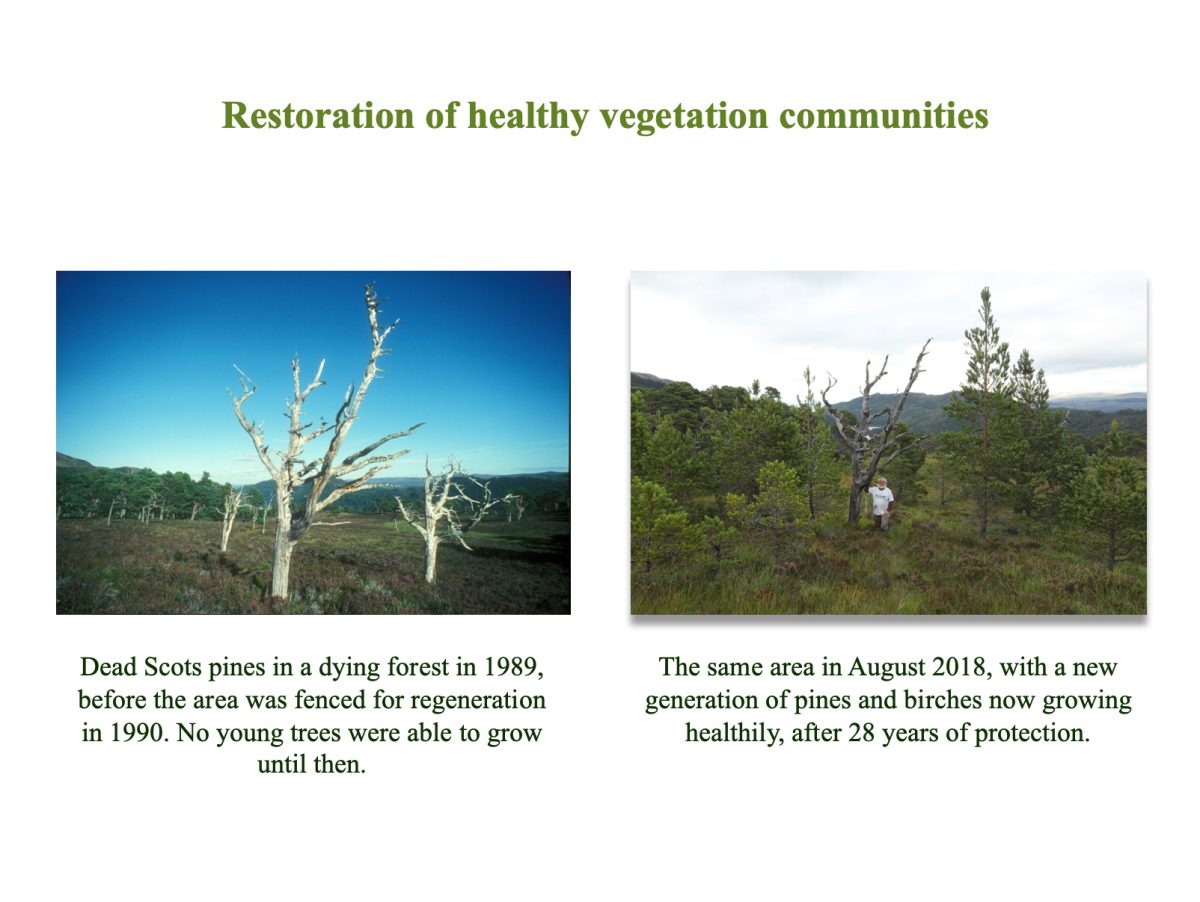
I also saw the results of some experimental work, where deer and sheep had been fenced out of the forest remnants and spectacular results had been achieved, with vigorous growth of new trees taking place. So, a dream, a vision, was born and grew inside me – to reverse the long history of deforestation in Scotland and help bring the forest back to life again. In 1986, in the final session of a major environmental conference at Findhorn that I had spent a year organising, I made a commitment in front of the 300 or so participants to launch a project to help restore the Caledonian Forest. With that, the dream began to move towards reality.
It is now 25 years later and Trees for Life has become a well-established and successful conservation charity, which is making an important contribution to returning the forest to a large area in the north central Highlands. We’ve also become significant landowners, through our purchase of the 10,000 acre (4,000 hectare) Dundreggan Estate in Glen Moriston, where we are implementing a long term, large scale integrated project to restore the forest and all its constituent parts. The vision, the dream, of a large expansive natural forest returned to the treeless and empty glens is now well on track, and becomes more visible every year, with each young tree that is growing healthily.
Many people throughout Scotland share the dream of there being more native woodland in our country again, and Trees for Life is just one of numerous projects and initiatives that are helping to bring this about. However, as the years have gone by, it’s become clear to me that the dream is not originally mine, or indeed that of any other person. Instead, I’ve had this growing realisation that it is the dream of the trees themselves, to reclaim their lost ground and bring back their life, and that of all the other species they support, as part of the healing of the land and returning the Highlands to a state of natural health and balance again.
This realisation has come about in part from my own deepening sense of connection with, and attunement to, the trees and the forest itself. However, it’s also arisen from an improved knowledge and greater ecological understanding of how trees and forests function.
For example, it’s now widely recognised that in forests throughout the world the majority of trees live in mycorrhizal relationships with various species of fungi. These are mutually beneficial or symbiotic partnerships in which the trees provide the fungi with sugars that they produce through the process of photosynthesis (fungi, being subterranean organisms with no chlorophyll, are unable to photosynthesise themselves), while the fungi pass on nutrients from the soil, that the trees cannot access directly on their own. The hyphae, the thread-like filaments that are the main part of a fungus (the mushroom is just the fruiting body that appears briefly each year), wrap around the tree roots, and in doing so, connect neighbouring trees together in an underground network.
Nutrients flow back and forth through this network, and so too, some scientists now speculate, do chemical messages. In several parts of the world, where forests have been affected by insect infestations, some species of trees respond by producing unpleasant tasting chemicals in their leaves to deter the insects. It’s been observed that it is not only the trees directly affected by the insects that produce these chemicals though. Other trees nearby also begin producing the same substances simultaneously, and a flow of chemical messages through the interconnected network of roots is a possible explanation for this. The question that arises therefore is, if trees communicate about insect infestations, what else do they communicate about?
In fact, trees contain a literal living record of their experience, through, for example, the varying width of the concentric growth rings in their trunks, which indicate better or poorer growing conditions in the years when each ring was produced. So, too, do the wounds where a branch was lost represent the memory of a bad winter storm one year, while the scratch marks on a trunk record the time when a wildcat stretched its claws there. In places in the Highlands where solitary trees are all that remains, the shade tolerant blaeberries and other woodland plants that persist under these lone individual trees are living memories of when forests flourished there.
For me, it is all of these, and other similar features, that indicate that the trees have their own memory, of the forests that once were, and also a dream of the forests that can be there again. The trees’ own seeds, the blaeberries and all the other forest-dependent species are waiting for their moment, their time, when they can expand again. My dream then, of a restored forest, is actually the forest’s dream. I am attuning to it, and resonating with it, in like manner to my experience with the beech tree all those years ago.
I sense this dream increasingly as I spend more time in forests, not just here in Scotland, but also in other parts of the world, where forests are increasingly facing the same fate, of near total removal, as those in the Highlands did in the past. Many people, I believe, share this dream – the forests’ dream – of a world with natural, healthy and abundant woodland ecosystems again, but it is we humans who have the power to make that happen. Now, with 2011 declared the International Year of Forests by the United Nations, it’s time to come together and make the dream of the forest a reality once more.
Alan Watson Featherstone
(This article featured as the introductory essay in the 2011 edition of the Trees for Life Engagement Diary)
Return to the Writing page.
A future for Scotland’s forests
During the past couple of years I’ve forgone the annual trips I was previously making to the tropics, to visit and photograph the forests there, and have taken more time to explore the woodlands of Scotland instead. I’ve been spending days in small areas of old forest remnants that I’d either never visited previously, or hadn’t been to for many years, getting to know them, and many of the species that live in them, intimately. This is reflected in the changed focus of this diary – instead of the selection of photographs from forests around the world that have featured in previous editions, the 2013 diary concentrates exclusively on the forests of Scotland, and mainly those remnants of the Caledonian Forest where Trees for Life works.
It’s also a reflection of the large change that is taking place throughout Scotland though, as restoration efforts bring new, or renewed life, to many of our ancient woodlands. From Rassal Ashwood in Wester Ross to the Carrifran Wildwood in Dumfries and Galloway, and from the Loch Sunart Oakwoods in Lochaber to Abernethy and Glenfeshie in the Cairngorms National Park, many of our native woodlands throughout the length and breadth of the country are undergoing a renaissance. Natural regeneration and planting are enabling new trees and young forests to get established, for the first time in centuries in many locations.
It’s an exciting and inspiring development, but we have yet to see the results of the numerous schemes that have gone ahead in the past twenty years or so. Because trees grow slowly in much of Scotland, the new forests are currently relatively inconspicuous in the landscape, and the bare, heather-clad and sheep-shaved hills (or the monoculture, linear ranks of non-native plantations) still predominate in most of the country. However, young birches, pines, oaks and other native trees are rooting in the glens, and beginning the process of returning the land to health, diversity and heterogeneity again. They are already providing an expanded habitat for the forest-dependent plants, fungi and invertebrates that will in turn attract birds and mammals, as the web of life that is the forest ecosystem begins to re-weave itself, catalysed by the return of the trees.
Forest restoration is a labour of love, and an act of helping Nature to heal, that has seldom if ever been attempted anywhere in the world prior to the last few decades. In the past, whenever nations or cultures have cut down their forests, they’ve either declined and faded (as happened, for example, with many of the old cultures in the Mediterranean and the Middle East), or they have gone on to exploit forests elsewhere, as is the case with Britain, where we built an empire and proceeded to exploit forests all over the world after our own were depleted.
Now, with the last remaining primary forests under siege from chainsaw, axe and fire all over the planet, in New Guinea, Siberia, the Congo and the Amazon, we are in the end game of industrial exploitation of Nature’s sylvan abundance. Even forests in national parks, which are ‘officially’ protected, are, in many countries, undergoing a slow but steady and relentless impoverishment, through the illegal felling of economically valuable trees, poaching of key wildlife species, isolation from other natural habitats and the impact of human-induced pollution, global warming and invasive non-native species.
From here on, the future of forests, and all the biological diversity they support, will increasingly depend on our ability to restore natural forests, both in terms of adequate size to be functionally viable and their ecological integrity, with their full complement of species and all their processes of succession, disturbance, interactions between predators and prey etc. It is not by chance that forest restoration projects have sprung up spontaneously all over the world in the last quarter century or so. From the dry forests of Costa Rica to the kauri forests of New Zealand, and from the mangroves of Vietnam to the dry evergreen tropical forests of southeast India, inspired, visionary individuals and groups have realised that the wellbeing of their local bioregion, and all the people it supports, depends on the presence of healthy forests and all the ecosystem services that they provide. These are pioneering, experimental projects, trialling new methods and techniques, usually carried out with much manual labour, and with a mixed rate of success. Out of their efforts, and the increasing exchange of knowledge and experiences between them, some common principles and examples of best practice are emerging, which will enable newer projects to get a head start in their work.
It is in this context therefore that I view the movement for forest restoration in Scotland. It is an informal, diverse and experimental movement, much of which has arisen from the grass-roots, and which involves conservation organisations, private landowners, government agencies and community groups. A range of strategies and techniques are being tested, from heavy deer culling and no fencing to achieve natural regeneration (for example at Creag Meagaidh) through various different combinations of regeneration and planting (which is where most of Trees for Life’s work sits) to very site-specific, ecologically-detailed planting of an entire forest (as at Carrifran).
The conclusion that I increasingly draw from this diverse range of approaches is that there is no single right way to restore a forest. Each site, and the ecological conditions and limiting factors there (such as the management practices on neighbouring lands), will shape and determine what techniques will give the best prospect of successful forest re-establishment. For me, it’s also important to remember that ecological restoration and forest recovery are natural processes, which would occur spontaneously (as they did at the end of the last Ice Age, about 10,000 years ago) if human activities weren’t preventing them.
With this perspective, I’ve always seen our work at Trees for Life as helping to catalyse or kick-start forest restoration, and that the bulk of the work will be done subsequently by Nature herself, as natural processes such as the spread of pioneer trees become functional again. Once we’re able to get enough young trees established and providing an increased volume of seeds every year, so that some seedlings are able to withstand the reduced grazing pressure from substantially lower numbers of large herbivores (both deer and sheep) than we have today, then natural regeneration will become spontaneously successful again, without the need for further fences. Reinstating all our native large mammal species, especially the top predators, and allowing natural processes, such as occasional large-scale disturbances like wildfires, to run their course, will also be essential to this.
Organisations such as Trees for Life are sometimes accused, wrongly, of wanting to ‘turn the clock back’ to some idealised era of undisturbed Nature, prior to significant human exploitation. Instead, what’s really required is to re-start the clock – the dynamic, interactive process of evolution, or rather of co-evolution, amongst all the species that comprise the Caledonian Forest ecosystem. That clock ceased to function several centuries ago at least, and some of the key parts were thrown away with the extirpation of most of our large mammal species. Evolution within forest ecosystems in Scotland came to a grinding halt with the loss of most of the trees and their dependent species, and has been stalled ever since.
As in other parts of the world, predators and their prey co-evolve, with each honing the physical abilities of the other in the ongoing dance of life that is formed by their interactions. Similarly, the unique adaptations of the Scots pine to the climatic conditions and soil types of Scotland, that has resulted in the geochemical variations between the pine populations in different parts of the Highlands, is the result of the thousands of years of evolution that followed the most recent Ice Age. That too has been interrupted, and almost terminated, by the reduction of the Caledonian Forest to the few scattered remnants that survived at the end of the twentieth century.
The current widespread movement for restoration of native forests in Scotland therefore represents a new beginning, not just for woodlands as we know them, but also for the processes of evolution, or co-evolution, that will allow new interactions between species to develop, and even, given enough time, for new species to emerge as well. As such, it is the counterpoint to one of the greatest concerns about the current impact of human activities on the rest of Nature – that we are causing the ‘end of birth’ in ecological terms. Through our global depletion of ecosystems and decimation of the numbers of many species, we are not just impoverishing the natural world today, but are also (and more alarmingly) reducing the capacity and options for the evolution of new species in future, through our destruction of natural habitats and the fragmentation and isolation of the populations of species to levels that are not reproductively viable.
With the majority of Scotland’s forests having been lost centuries ago, or even two or three millennia in the past, we have the unfortunate distinction of having been in the forefront of forest destruction. It is only fitting therefore that we should now have the opportunity to be in vanguard of forest restoration, and that has always formed the larger context for the work I’ve sought to accomplish with Trees for Life. We’ve sought to embody the principle of acting locally to address the global issue of deforestation, and to demonstrate techniques and practices can be utilised elsewhere as well.
With 2013 having been declared the Year of Natural Scotland, and in the context of increasing concerns about climate change and biodiversity loss around the world, there’s now an opportunity to significantly develop and expand the work of forest restoration in Scotland. What better way to celebrate the beauty and diversity of Nature in Scotland than by increasing our work to assist its recovery and return to ecological health? It would seem to be straightforward and simple, but unfortunately there’s another very different agenda at work as well, which threatens to undermine or even nullify the forward movement of the past two decades.
The Scottish government has made an ambitious and laudable commitment to substantially increasing the utilisation of renewable energy resources, in large part to address the issue of climate change caused by burning fossil fuels. However, this is being implemented according to the same economically-driven priorities that have contributed significantly to the current problems, and is resulting in what can only be termed a new industrialisation of the Highlands. Large scale wind farms are proliferating all over the country, causing massive visual intrusions in relatively natural landscapes that have previously been free of human infrastructure, and virtually every river and burn in the Highlands is being targeted for possible small-scale hydro-electric installations. This is particularly relevant in Glen Affric, where four burns are being considered for hydro schemes, and at Dundreggan, where a number of schemes are proposed on the surrounding lands, although many other parts of the Highlands are affected as well.
It all serves to provide a stark contrast for two different scenarios for the future – one in which natural forests, complete with their full complement of species, flourish again in many parts of the Highlands, and the other where human industrial exploitation of the land continues unabated, and the opportunity to experience wild Nature dwindles still further. That choice of futures is being made now, and I know which one I’m working for, although there is an element of inevitability about some of the renewable energy developments. To achieve the ambitious goals we have for forest and wild land restoration, we need more people to engage and make a difference now – the future of Scotland’s forests is literally in our hands.
Alan Watson Featherstone
(This article featured as the introductory essay in the 2013 edition of the Trees for Life Engagement Diary)
Restoring the Caledonian Forest
The Caledonian Forest is the western-most outlier of the boreal forest in Europe, and formerly covered about 1.5 million hectares in the Highlands of Scotland. By the 1980s it had been reduced to a little over 1% of its maximum extent, and consisted of scattered remnants geographically isolated from each other and comprised solely of old trees. Gone with the trees were most of the forest’s wildlife, leaving the land barren and bleak. There was a real risk the forest would have disappeared entirely, before ecological restoration work began in the final decades of the 20thcentury.

This presentation begins with an introduction to the Caledonian Forest and its key species, together with a brief summary of the causes of its decline and subsequent inability to regenerate naturally.

It details the simple practical steps that have enabled a new generation of young trees to grow again – the first to do so in 200 years. It illustrates how the recovery of the native vegetation facilitates the return of insects, birds, mammals, plants and fungi, in a positive trophic cascade that is part of Nature’s reweaving of the web of life.

The presentation identifies the 4 key elements of rewilding, and details 13 principles that can be used to guide ecological restoration projects – these can be applied not just to the Caledonian Forest, but for any ecosystem that has been damaged. It also covers the importance of people to restoration efforts and highlights the transformative experiences that many participants have when they help to heal degraded and depleted landscapes.


If you would like me to give this talk to a group or at an event, please contact me.
Image of the Week
Each week I post an image on the Home page that I’ve taken recently (or occasionally from my back catalogue). This is an archive of them all.
Return to the Photography page.
An Introduction to Plant Galls
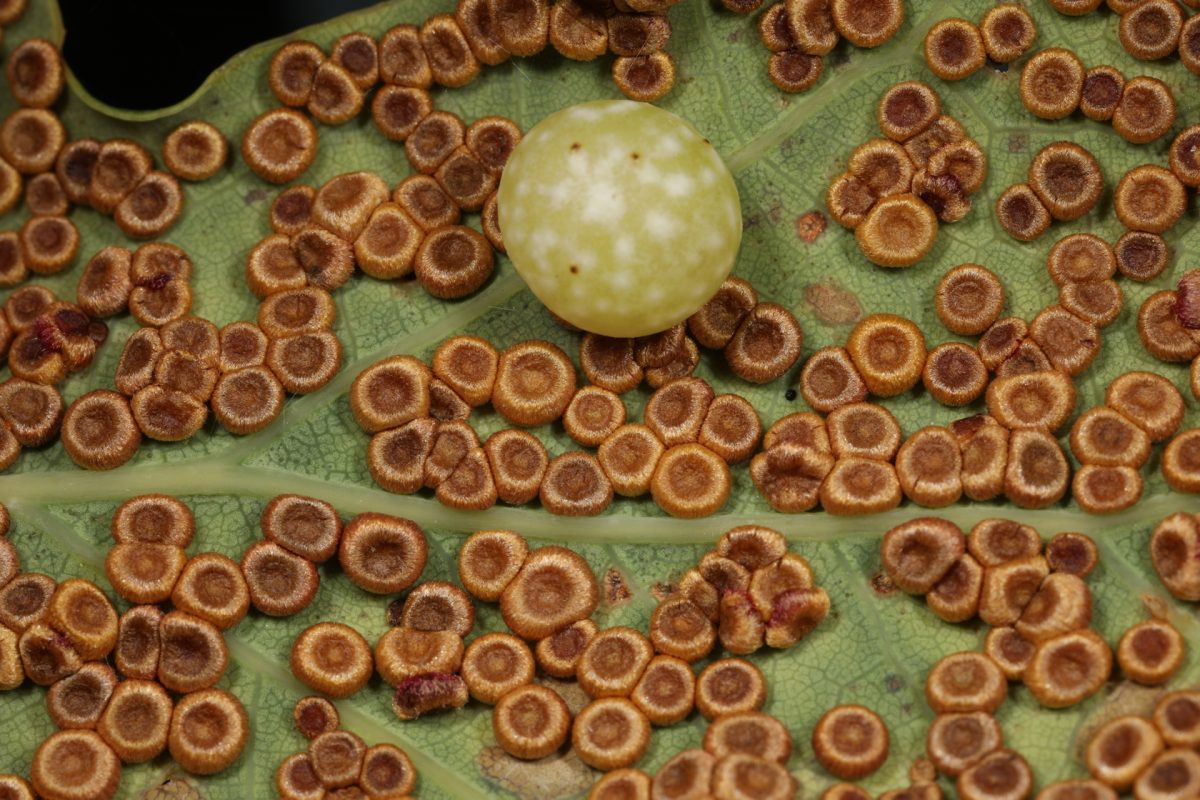
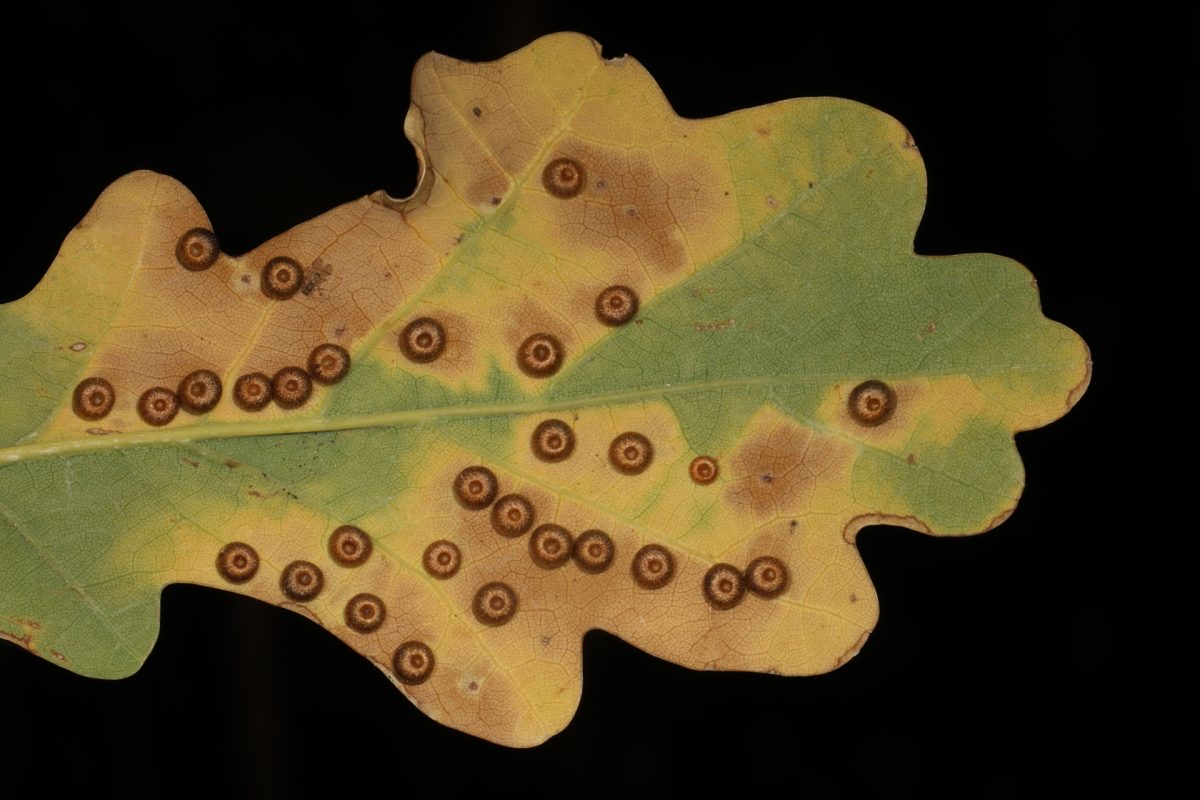
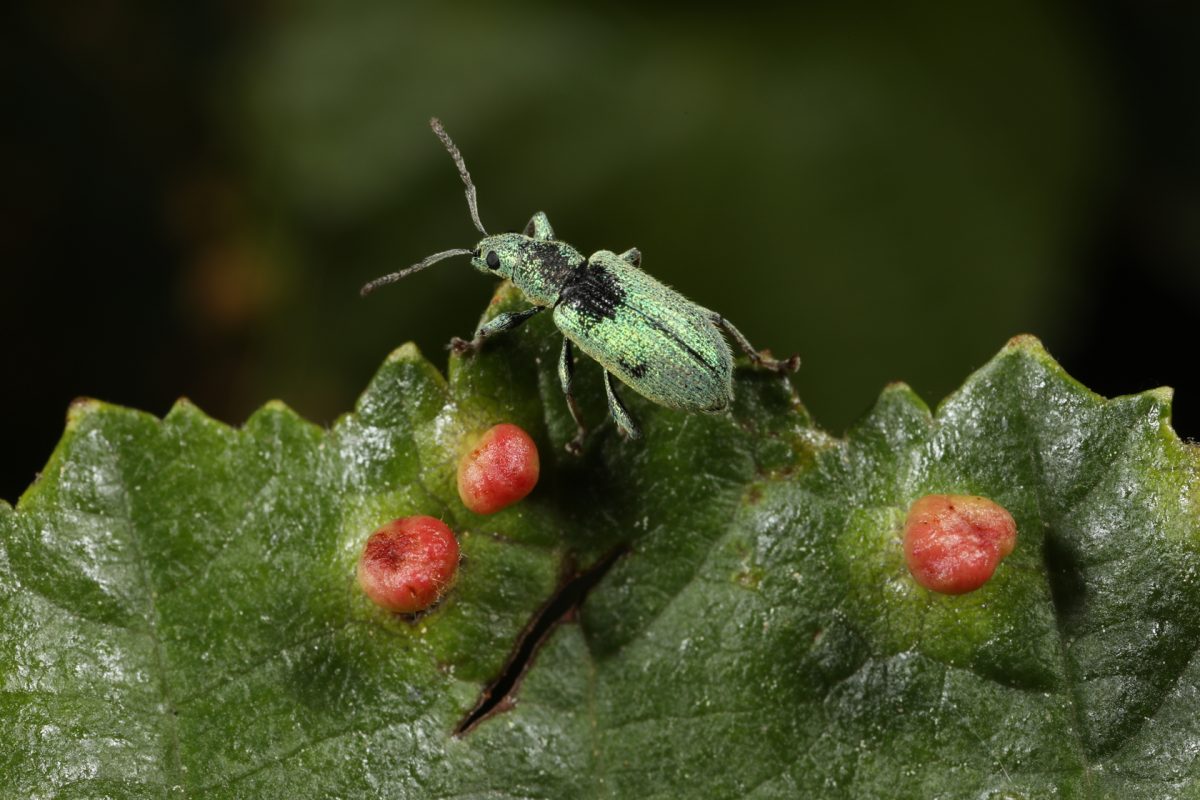
Galls are the abnormal growth of plant tissues that are induced on plants by other organisms, including insects, mites, fungi, bacteria and some viruses. Over 1,000 different types of galls have been recorded in the UK, with some such as the witches broom galls on birch trees, or robin’s pincushion galls on dog rose, being common and well-known. They consist of a remarkable diversity of shapes and forms, and many have fascinating relationships with other species.

This informative and insightful talk is illustrated with stunning high quality photographs and is full of interesting details about the whole range of different gall types that occur in Scotland and the Caledonian Forest. Ideal for those with an active interest in ecology or the curious layperson alike, this presentation provides a wealth of knowledge about one of the remarkable phenomena in Nature that is often overlooked.


If you would like me to give this talk to a group or at an event, please contact me.